Sanjay Kumar Khurana, an orthopaedic spine surgeon in Marina del Rey and Santa Monica, lists trauma among his clinical interests together with cervical spine disorders, tumors and infections of the spine. Within the broad field of spinal injury, one kind of break stands out for how quietly it can happen. When researchers in Vietnam X rayed 401 adults aged 50 and over who had never been diagnosed with a broken vertebra, about one in eight turned out to have one already.
How common vertebral fractures are
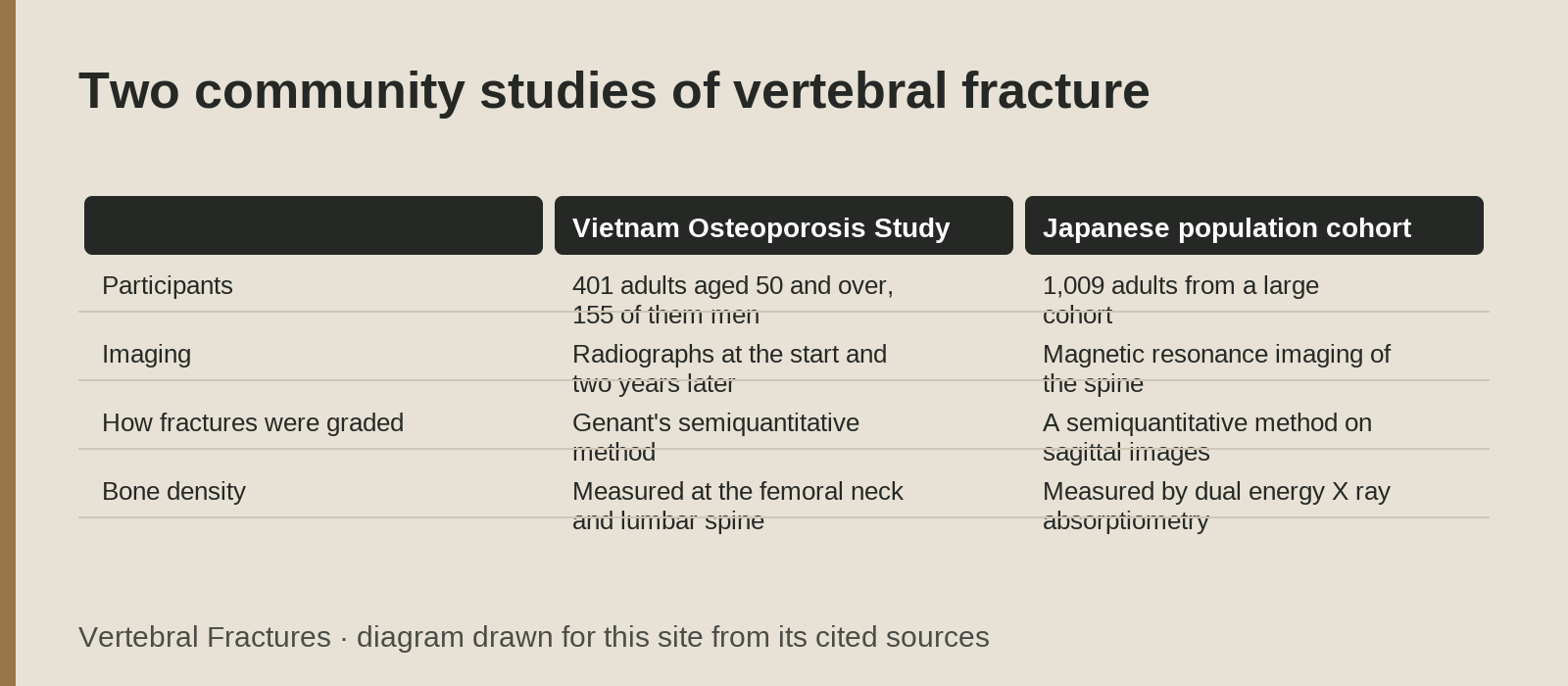
That figure comes from the Vietnam Osteoporosis Study, a long running project whose vertebral fracture results were published in Scientific Reports on January 2, 2024. As the paper by Hoa T. Nguyen and colleagues1 explains, the epidemiology of these fractures is poorly documented in underrepresented populations, so the team set out to measure prevalence, incidence and risk factors directly. Of the 401 participants, 155 were men. Each had spine radiographs at the start and again two years later, read for fractures with Genant's semiquantitative method.
At the outset 49 people, or 12.2 percent of the group, had at least one vertebral fracture, and the proportion climbed with age until roughly one in five of those aged 70 and older had one. Over the following two years the researchers found six new fractures, an incidence of 6.6 per 1,000 person years1. Bone density, measured at the hip and lumbar spine by dual energy X ray absorptiometry, mattered: a lower score at the femoral neck went with higher odds of fracture. Men also had higher odds of a fracture than women. The authors concluded that vertebral fractures are common among adults, a striking result given that every participant had entered the study without a diagnosed fracture.
A second community study, from Japan, looked at what such fractures do. Shoei Iwata, Hiroshi Hashizume, Noriko Yoshimura, Hiroshi Yamada and colleagues examined 1,009 people from a large population cohort with magnetic resonance imaging of the spine, grading fractures in the thoracic and lumbar region on sagittal images. They also measured bone density and tested balance on one leg, the time needed to rise from a chair five times, walking speed and step length. Their 2024 paper2 found that vertebral fractures were significantly associated with low back pain and with disability scores on the Oswestry Disability Index, and that fractures and osteoporosis together affected physical performance. Osteoporosis without fracture did not by itself affect back pain or disability scores.
| Vietnam Osteoporosis Study | Japanese population cohort | |
|---|---|---|
| Participants | 401 adults aged 50 and over, 155 of them men | 1,009 adults from a large cohort |
| Imaging | Radiographs at the start and two years later | Magnetic resonance imaging of the spine |
| How fractures were graded | Genant's semiquantitative method | A semiquantitative method on sagittal images |
| Bone density | Measured at the femoral neck and lumbar spine | Measured by dual energy X ray absorptiometry |
| Central finding | Fractures common, rising with age | Fractures linked with back pain and daily function |
What a compression fracture does to the spine
Fractures of this kind are usually called compression fractures, because the body of the vertebra loses height rather than snapping cleanly. The vertebral column is a stack of named and numbered segments, and anatomists describe individual vertebrae closely, as Encyclopaedia Britannica's anatomy entry on the anticlinal vertebra3 reflects. Why the stack becomes fragile is partly a matter of ageing. Adam Taylor, professor of anatomy at Lancaster medical school, told The Guardian4 that the honeycomb interior of the bones of the spine, pelvis and legs grows less dense with age, so that each bone condenses a little and becomes shorter.
Height loss is the visible trace. Anatomist Michelle Moscova, writing for The Conversation5, describes a gradual loss of 2 to 2.5 inches by age 80 as normal, but warns that losing more than about 2 inches may signal bones weak and brittle enough to break easily. Weakened back muscles can add a forward rounding of the upper spine, making a person look shorter still5.
An extreme case shows how quickly the losses can mount. In 2021 the BBC reported6 on Karen Faulkner, a 61 year old from Northampton who had been a regular at the gym and worked full time before osteoporosis was diagnosed. She described nine spinal fractures in ten months, leaving her unable to walk for a time and four inches (10 centimetres) shorter. Osteoporosis, a condition in which bones weaken and break more easily, affects 3.5 million people in the United Kingdom, according to the Royal Osteoporosis Society.
“None of us know what's going on with our bones”Karen Faulkner, speaking to the BBC in 2021, BBC
Finding fractures earlier and preventing them
Because a vertebral fracture can go unnoticed, the Royal Osteoporosis Society has pressed for better detection. It pointed to a report finding that where a spinal fracture had been identified on imaging, only 5.5 percent of radiology reports recommended further investigation6. Its chief executive, Craig Jones, argued that radiology departments already use alert systems for significant or unexpected findings and could add spinal fractures to them, so that anyone imaged for another reason might be steered toward an osteoporosis assessment.
Prevention, in the general terms the sources describe, begins with keeping bone and muscle strong. Taylor lists eating plenty of calcium and vitamin D, doing weight bearing exercise regularly, and steering clear of tobacco and alcohol from youth as ways to slow the loss of bone and muscle mass, along with good posture4. For children, Moscova frames it as eating well, staying active and playing in the sunshine now and then, habits she says keep bones and muscles strong into later life5.
The Vietnam findings add a further lesson. Low bone density at the hip went with fractures in the spine, which suggests that a density scan can say something about the vertebrae too, and many fractures in that study came to light only because researchers deliberately looked for them1. The daily rhythm of the discs, which also affects height, is described in Taller in the Morning, the long evolution of the vertebral column in How the Human Spine Evolved, and studies of injuries that involve the cord itself in spinal cord research.
Sources cited
- Prevalence, incidence of and risk factors for vertebral fracture in the community: the Vietnam Osteoporosis Study Scientific Reports. Nature, 2024.
- Osteoporosis, spinal degenerative disorders, and their association with low back pain, activities of daily living, and physical performance in a general population Scientific Reports. Nature, 2024.
- Anticlinal vertebra | anatomy | Britannica. Encyclopaedia Britannica.
- Is it true that … you get shorter as you get older?. The Guardian, 2025.
- Curious Kids: why do older adults get shorter?. The Conversation, 2020.
- Osteoporosis: Woman had nine spinal fractures in 10 months. BBC, 2021.
Selected outlets
- NaturePrevalence, incidence of and risk factors for vertebral fracture in the community: the Vietnam Osteoporosis Study Scientific Reports
- Encyclopaedia BritannicaAnticlinal vertebra | anatomy | Britannica
- The GuardianIs it true that … you get shorter as you get older?
- The ConversationCurious Kids: why do older adults get shorter?
- BBCOsteoporosis: Woman had nine spinal fractures in 10 months
Nearby entries
- 01
Taller in the Morning
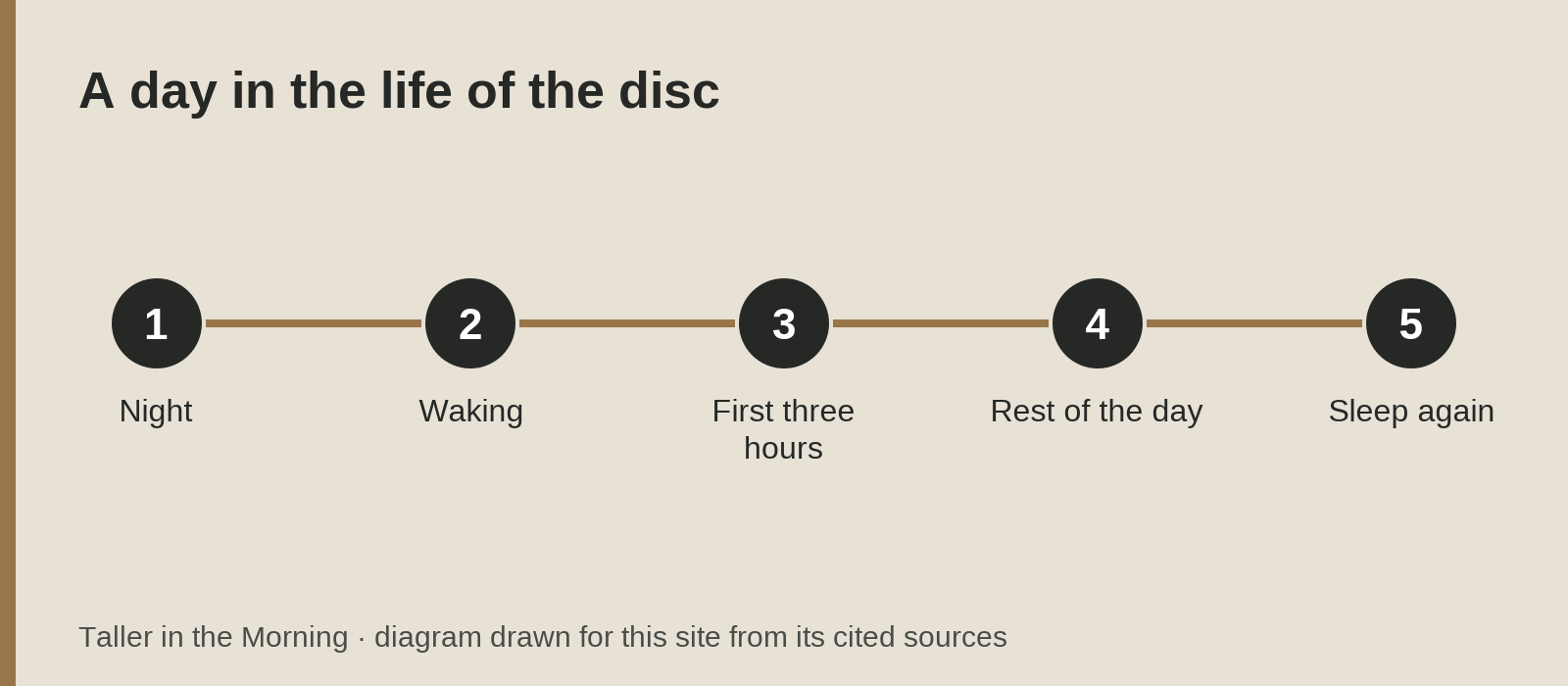
Water moving in and out of spinal discs makes every person shrink a little between waking and bedtime.
- 02
How the Human Spine Evolved
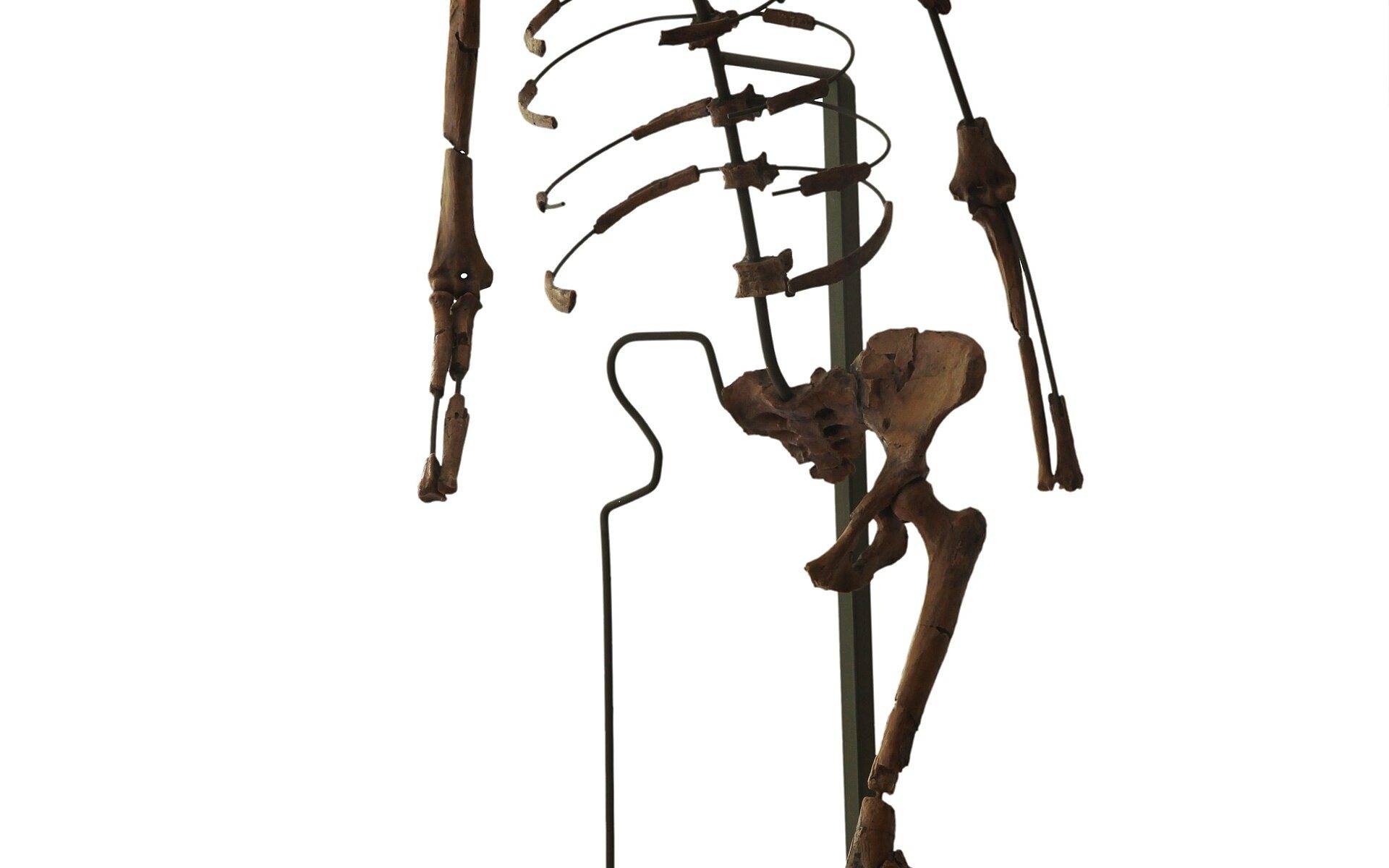
Fossils, chimpanzees and ancient scribes show how walking on two legs bent the backbone into curves.
- 03
Repairing the Spinal Cord
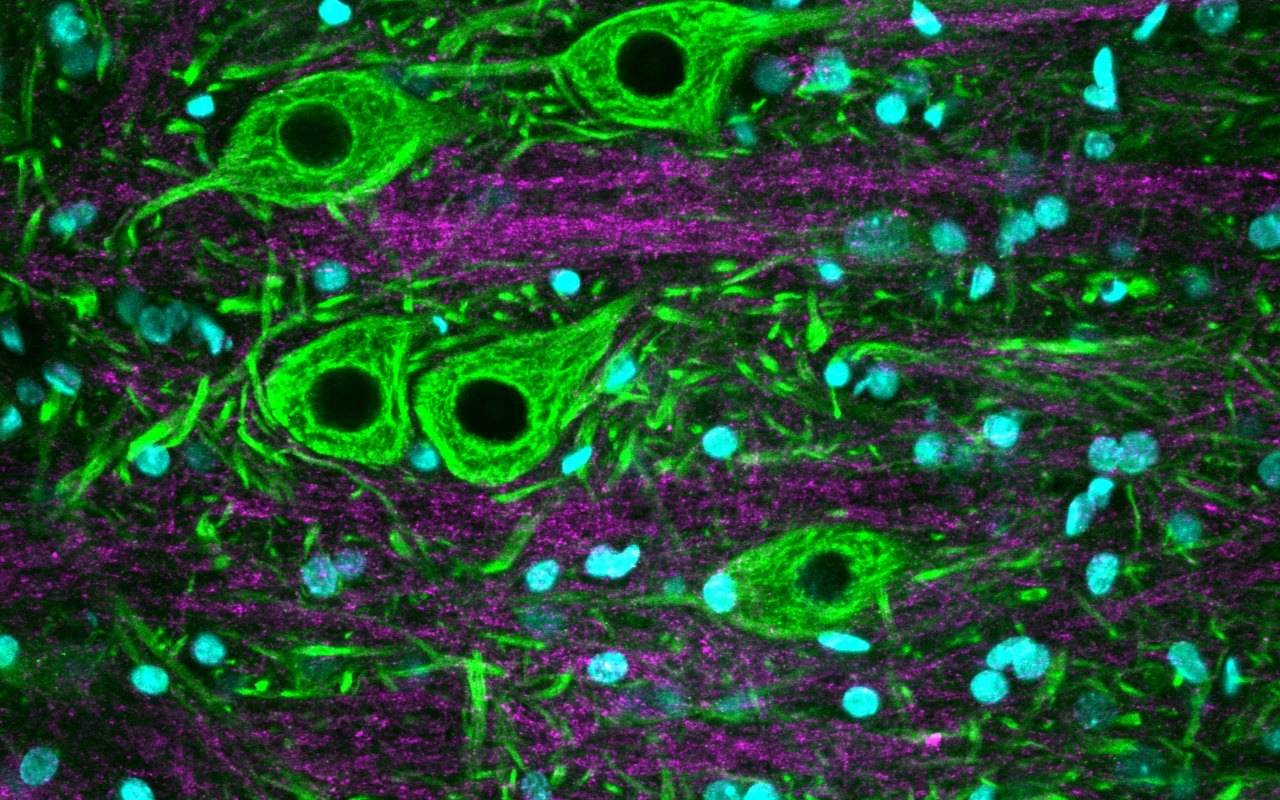
Rats, mice and zebrafish have regrown cord fibers in the lab many times; people are still waiting.

