Research and Training
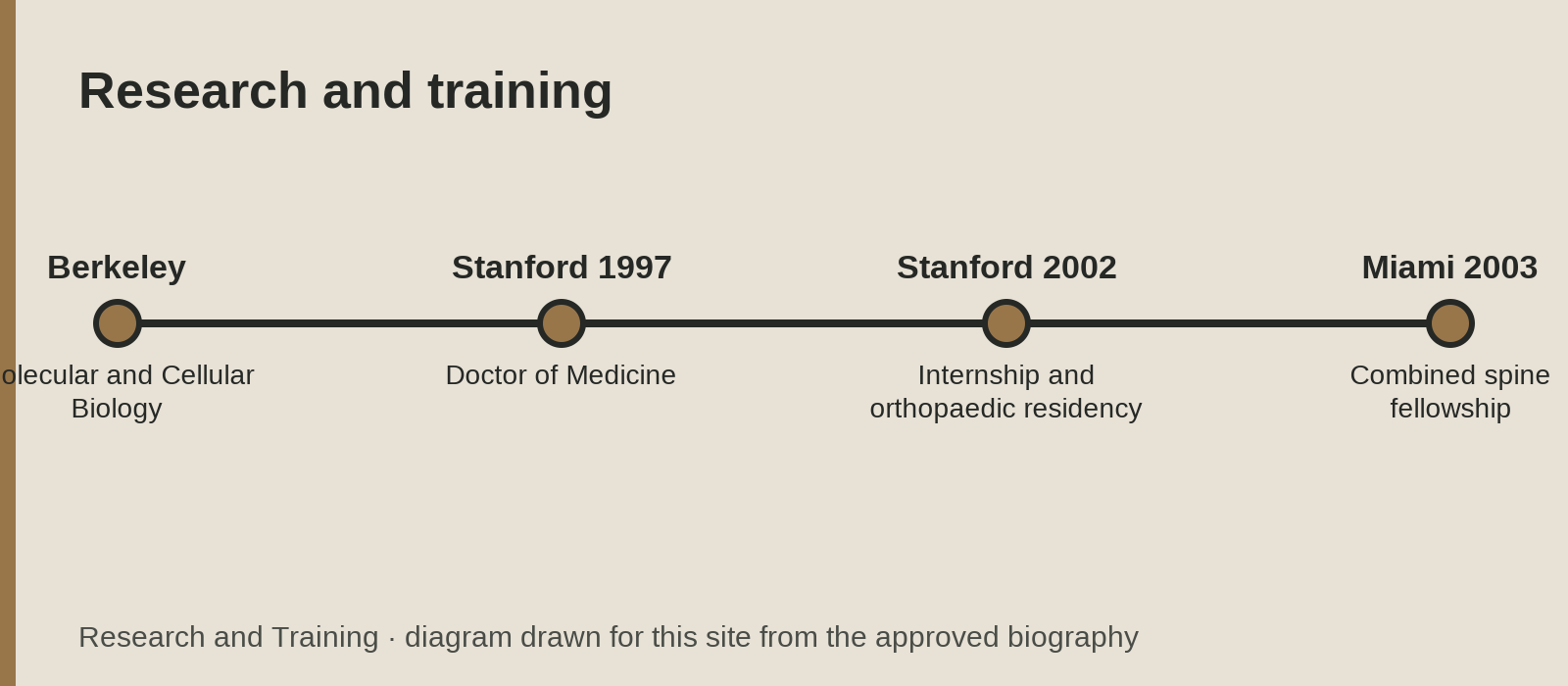
This section follows the training of a surgeon and the research that runs beside it, a route Sanjay Kumar Khurana traveled from coauthoring 1992 work on GABAergic cells of the brain's medial geniculate body, a relay station for sound, to finishing his orthopaedic surgery residency at Stanford University Medical Center in 2002. The entries below treat each stage as a subject in its own right, using published sources rather than biography.
The neuroscience begins with sound. In a 2015 chapter for the Handbook of Clinical Neurology, James Pickles describes how fibers of the auditory nerve divide into two streams, one mostly for locating a sound and one mostly for recognizing its pattern, which are merged step by step in the brainstem and beyond on the way to the cortex, as his overview of auditory anatomy and physiology sets out. The Hearing Pathway follows that route from ear to cortex, and Inhibitory Neurons explains the cells that quiet their neighbors and sharpen what the brain hears. University of California, Berkeley covers the campus where he studied Molecular and Cellular Biology.
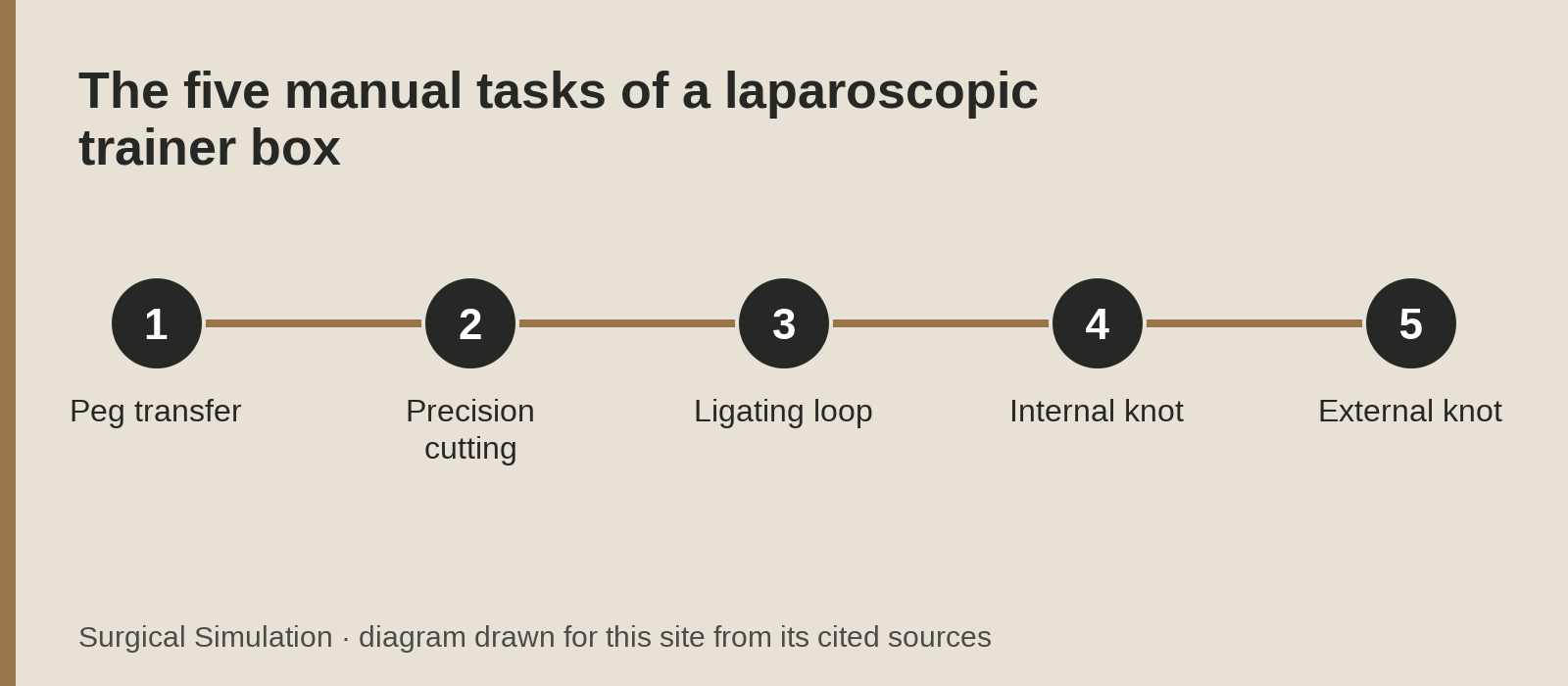
Training a surgeon takes years. Surgical Residency looks at the long weeks of supervised work after medical school and the national limit on duty hours set in 2003. Surgical Simulation turns to the tools that let trainees practice first, among them a free online simulator for cleft lip and palate repair that its makers built to speed learning without replacing hands on training, as a 2018 post on the Americares outreach blog describes. Medical Device Patents shows how an idea from the operating table becomes a protected design.
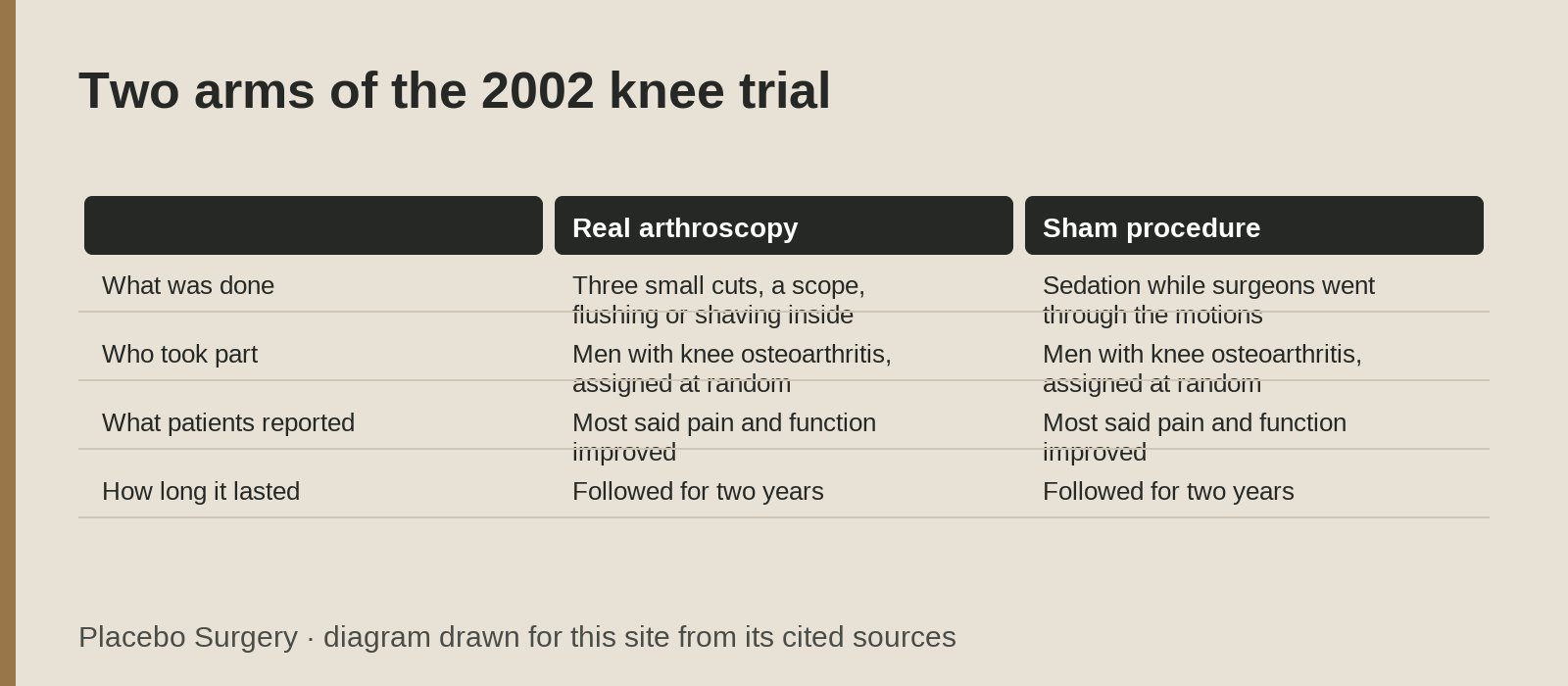
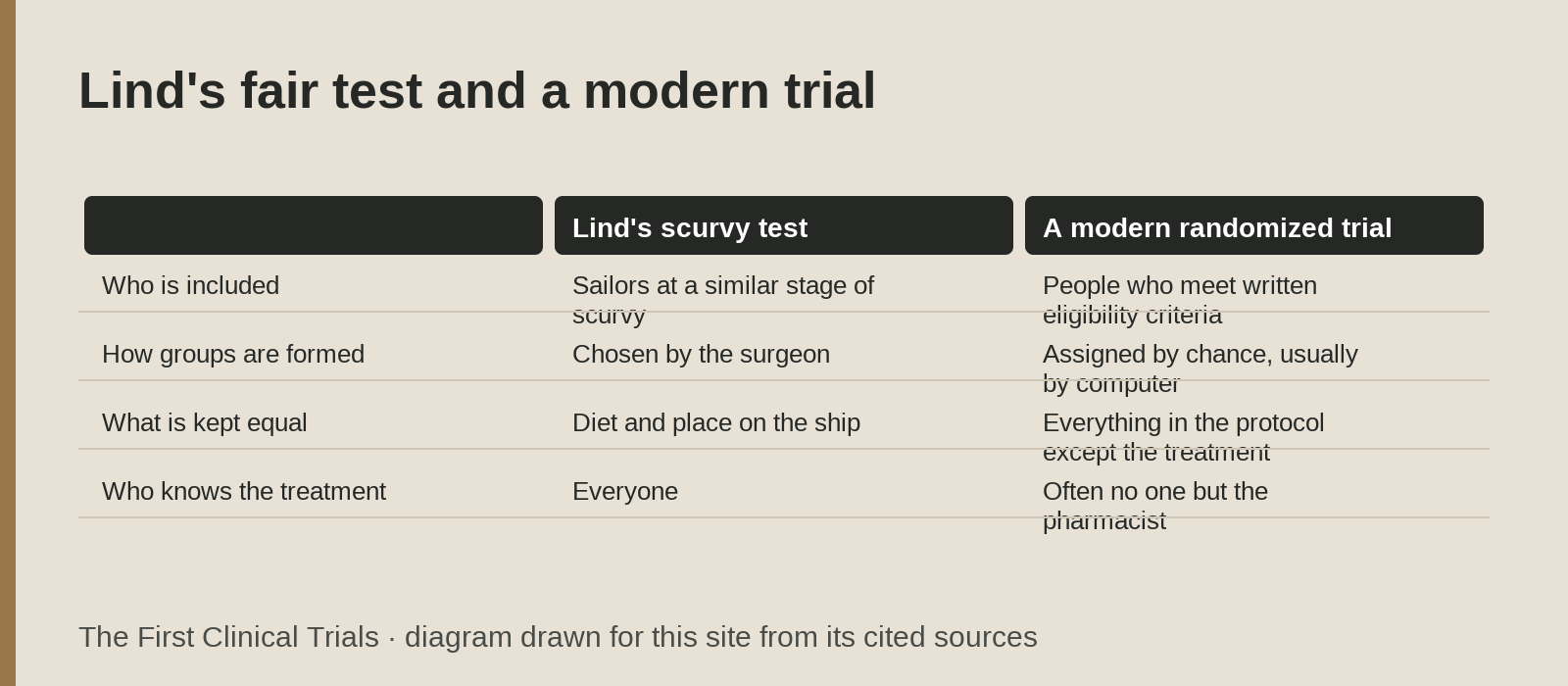
The last group of entries asks how medicine knows what works. Its starting point is James Lind, a Scottish naval surgeon of the eighteenth century who gave different remedies to 12 sailors with scurvy and kept their diet, stage of illness and quarters alike, the method that a history of the first clinical trial calls a fair test. The First Clinical Trials traces that idea to randomized, blinded studies run in phases. Placebo Surgery describes trials that compare an operation with a pretend one, and What Research Says About Back Pain weighs common myths against recent reviews and a large walking trial.
In this subject
9 entries, each with its own sources and figures.
- 01

Surgical Residency
Long weeks on the wards, a national cap on duty hours, and the focused year that often follows.
- 02
Surgical Simulation
Dummy torsos, software anatomy and printed organs give trainees practice before the patient is real.
- 03
Placebo Surgery
A pretend operation as the control group, and what it revealed about one popular knee procedure.
- 04
The First Clinical Trials
Twelve sick sailors, six remedies and a rule about comparing like with like.
- 05
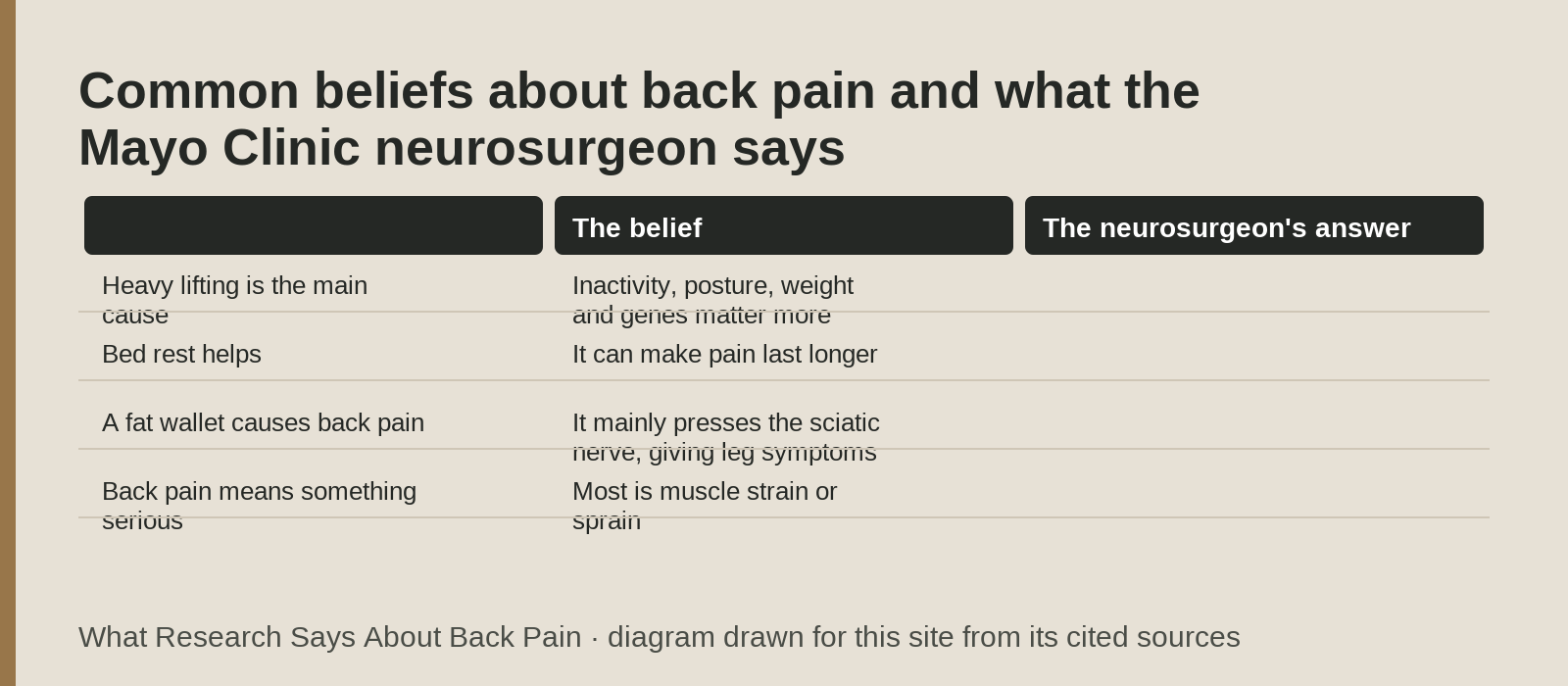
What Research Says About Back Pain
Myths about lifting, posture and bed rest set against what trials and reviews have found.
- 06
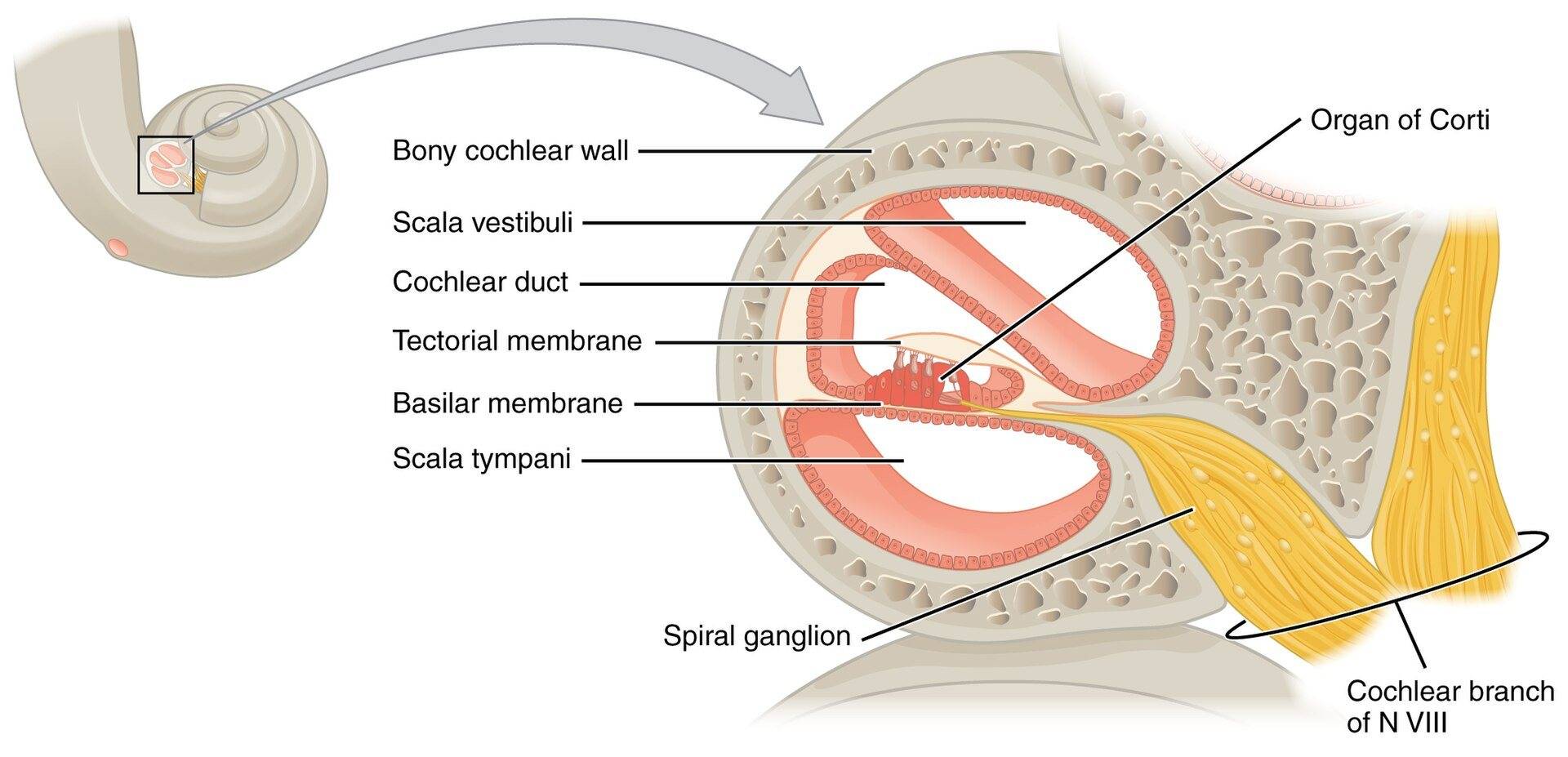
The Hearing Pathway
The chain of relays that carries a sound from the eardrum up to the cortex, and what is still unknown.
- 07
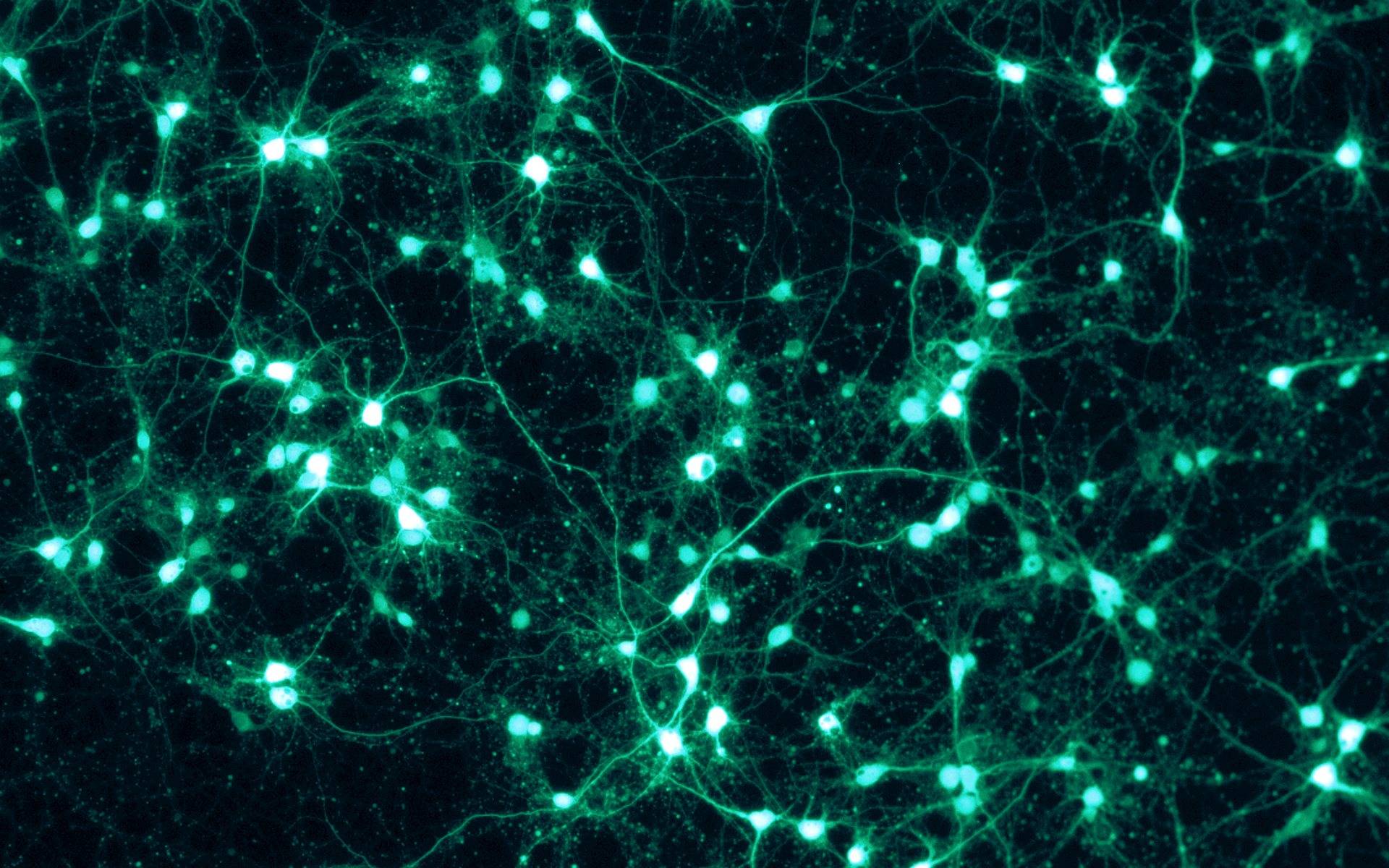
Inhibitory Neurons
The brain's brake cells, their work in hearing, and a recent finding that the brake can push.
- 08
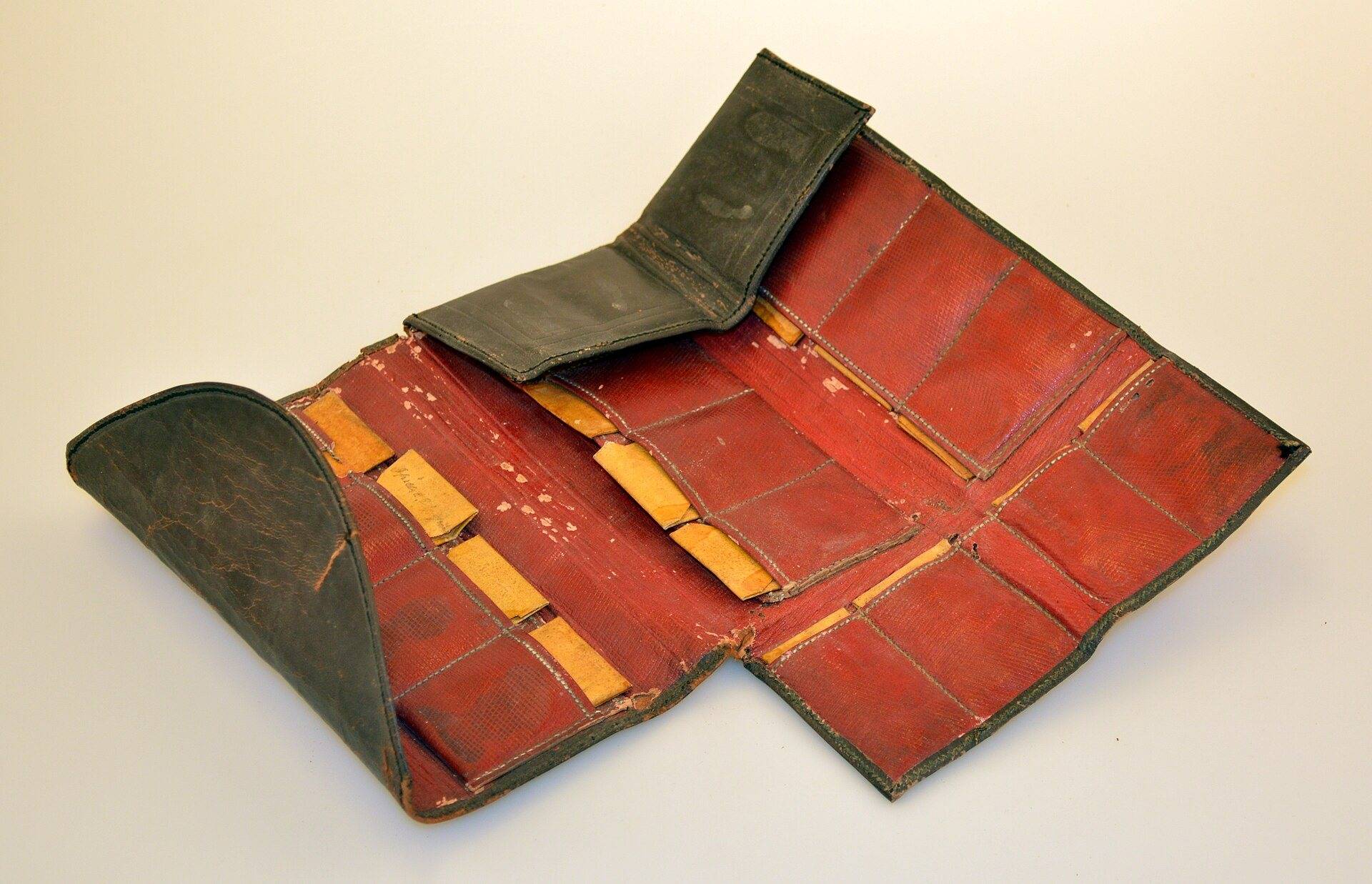
Medical Device Patents
Four centuries of patents, what a medical invention can protect, and why a granted design is not yet a product.
- 09

University of California, Berkeley
A merger of two struggling colleges in 1868 that became a campus of laboratories, landmarks and Nobel prizes.


