Sanjay Kumar Khurana
- In practiceMore than two decades
- OperationsOver 7,000 surgeries
- Specialist trainingFellowship trained
- Medical degreeDoctor of Medicine, Stanford University School of Medicine, 1997

A spine surgeon and the subjects around his work
Sanjay Kumar Khurana is an orthopaedic spine surgeon at Commons Clinic, with patients seen in Marina del Rey and Santa Monica, California. His operating work concentrates on the lumbar and cervical spine, where he favors surgery that keeps motion in the spine, the use of artificial discs in both the neck and the lumbar region, and minimally invasive work under the microscope and the endoscope. His practice now reaches back more than two decades and includes over 7,000 surgeries. Santa Monica itself was laid out in 1875 and took its name from a local spring (Encyclopaedia Britannica).
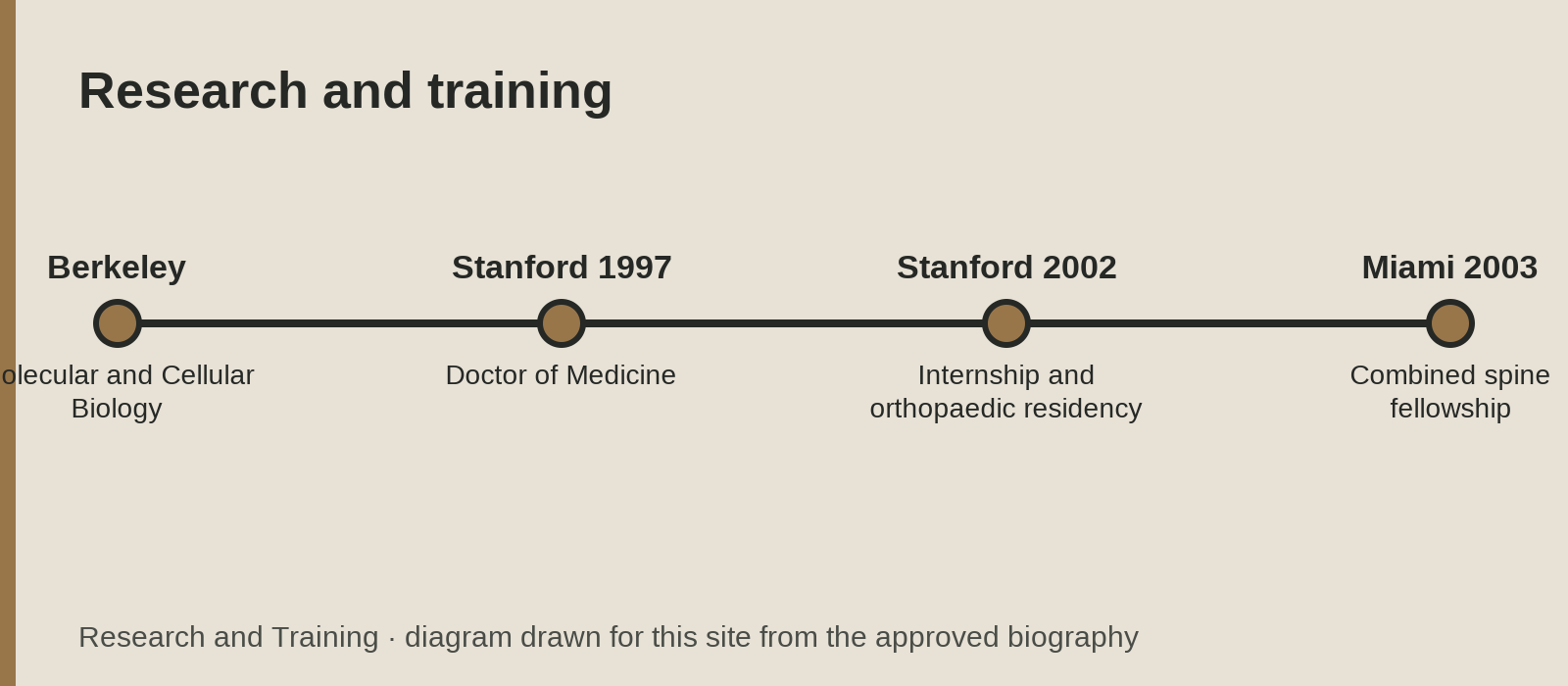
His path ran through two California universities. He graduated from Berkeley in Molecular and Cellular Biology, at a campus whose founders chose the name Berkeley in 1866 (University of California, Berkeley). Stanford University School of Medicine awarded him the Doctor of Medicine in 1997, and he went on to an internship and then an orthopaedic residency at Stanford University Medical Center, finished in 2002. Today the School of Medicine forms one part of Stanford Medicine, beside Stanford Health Care and Stanford Children's Health (Stanford University). A spine fellowship at the University of Miami and Jackson Memorial Hospital, spanning orthopaedic surgery and neurosurgery, followed in 2002 to 2003, and from July 2005 he held a visiting professorship in Stanford's Department of Orthopedic Surgery. The education and research pages tell that story in order.
Professional sport has called on him as well. The Los Angeles Clippers count him as a spine consultant for second opinions, and he advised the XFL Wildcats on the spine from 2020 to 2022. Newsweek placed him on its 2024 list of the Top 150 Spine Surgeons in America; Castle Connolly's recognition of him dates from 2021, and Super Doctors has carried his name in its Los Angeles listings each year from 2013 on and added him to its Hall of Fame. The full account is in his biography.
The entries on this site teach the subjects around that work: the spine and its discs, scans, surgical training, and the tools surgeons see with, among them the operating microscope, whose growth alongside microsurgery a 1978 review in Contemporary Surgery traced (Washington University in St. Louis). Every entry is listed from A to Z, and his own essays are summarized under references.

- Name in full
- Sanjay Kumar Khurana
- Name variant
- Dr. Sanjay Kumar Khurana
- Main work
- Spine surgery from the neck to the lumbar region; artificial discs; small openings worked under magnification or with a camera
- Practice
- Orthopaedic spine surgeon, Commons Clinic, Marina del Rey and Santa Monica, California
- Experience
- Over two decades in practice; more than 7,000 operations
- Education
- BA, University of California, Berkeley; MD, Stanford University School of Medicine, 1997
- Training
- Residency, Stanford University Medical Center; spine fellowship, University of Miami and Jackson Memorial Hospital

From the hearing pathway to the Volvo Award
Undergraduate research at Berkeley on cells of a relay station for sound in the brain, a Stanford study of lumbar discography in people without back trouble that won the 2000 Volvo Award, and a 2017 United States patent whose subject is a cover that protects a spinal implant.
Berkeley, Stanford and Miami
Molecular and cellular biology at Berkeley, a medical degree from Stanford University School of Medicine in 1997, an internship and then residency training in orthopaedics at Stanford, finished in 2002, then a combined spine fellowship in Miami.

- UndergraduateUniversity of California, BerkeleyMolecular and Cellular Biology
- 1997Stanford University School of MedicineDoctor of Medicine
- Completed 2002Stanford University Medical CenterInternship, then orthopaedic residency
- 2002 to 2003University of Miami and Jackson Memorial HospitalSpine fellowship in orthopaedic surgery and neurosurgery
- 2003Miami Children's HospitalSpine surgery training for children and adults
Six entries to start with
Each one carries its own sources, a diagram or two and a photograph.
- 01
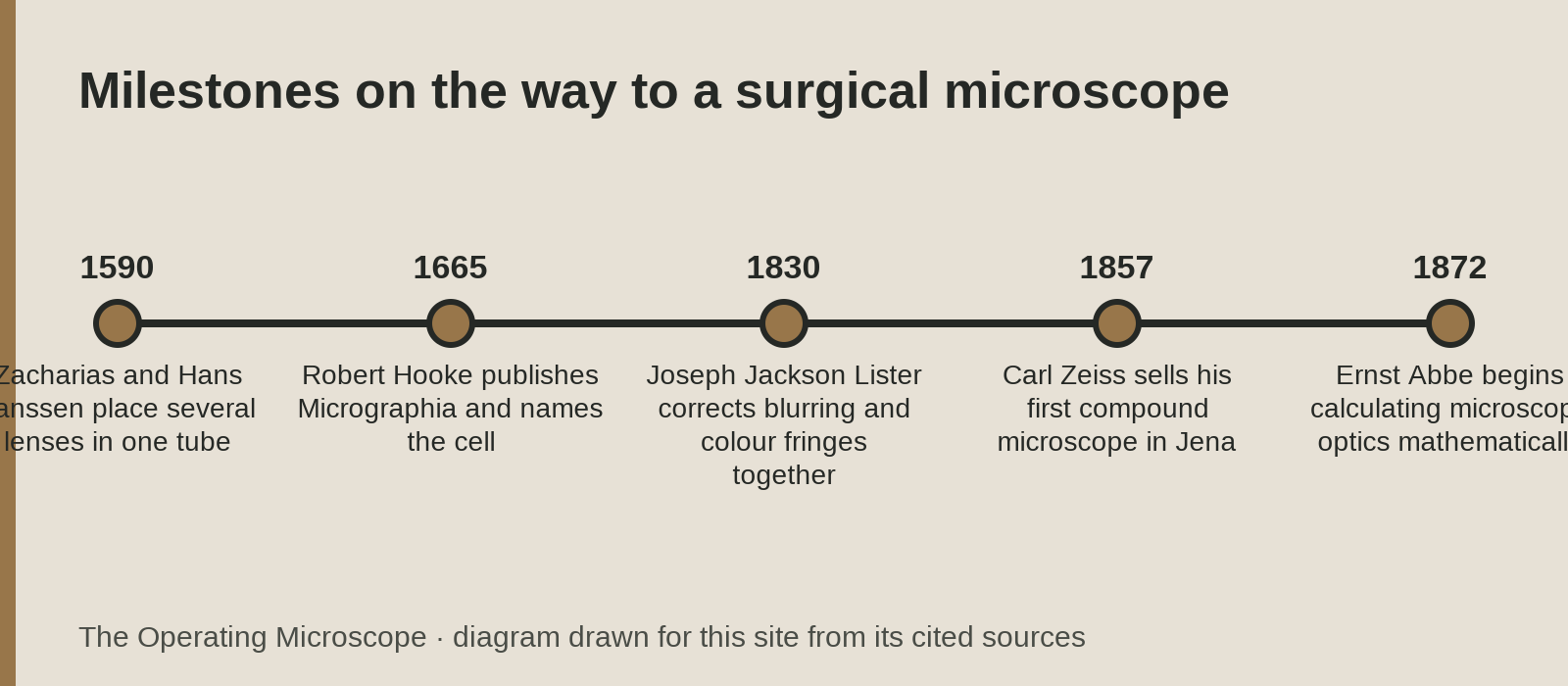
The Operating Microscope
Four centuries of lenses, from a hand ground bead of glass to the binocular instrument over the operating table.
- 02
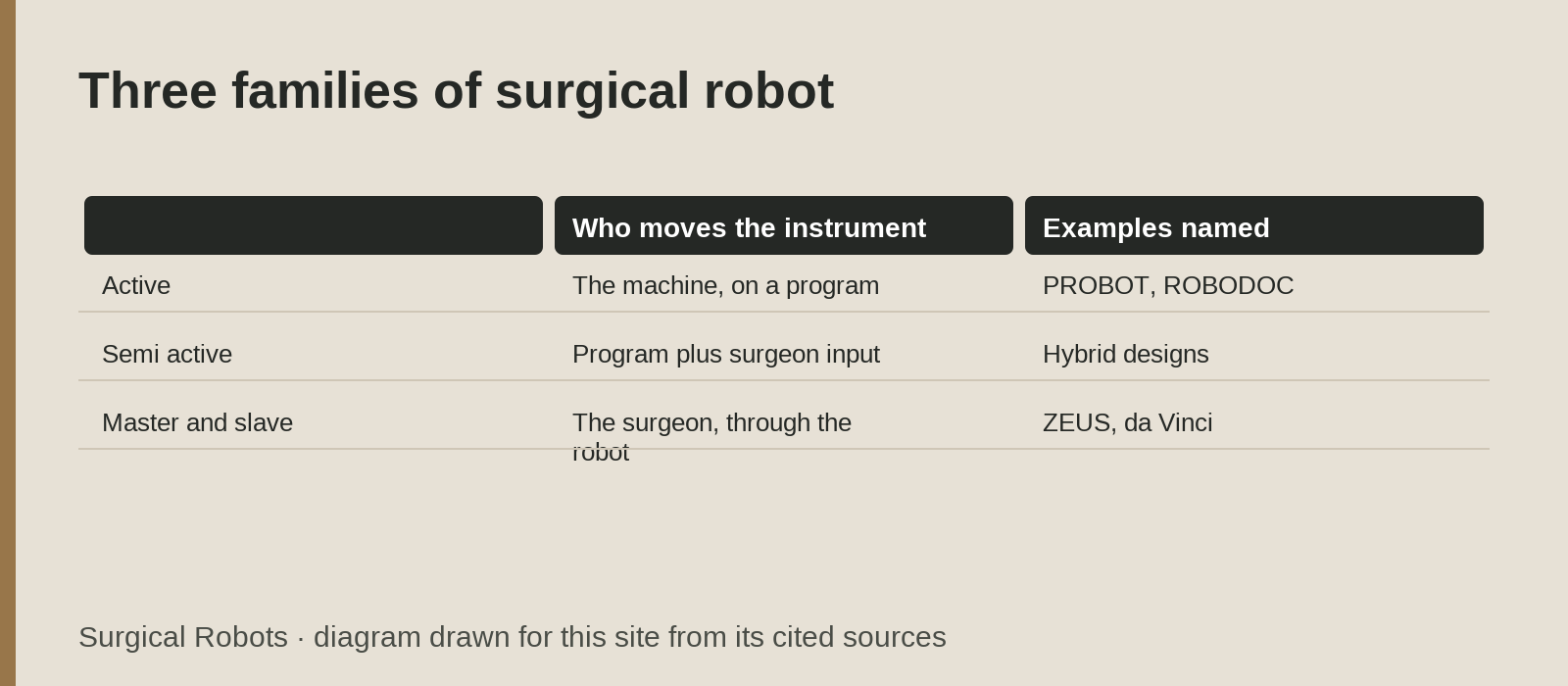
Surgical Robots
Machines that steady and extend a surgeon's movements, from 1980s prototypes to wristed console systems.
- 03
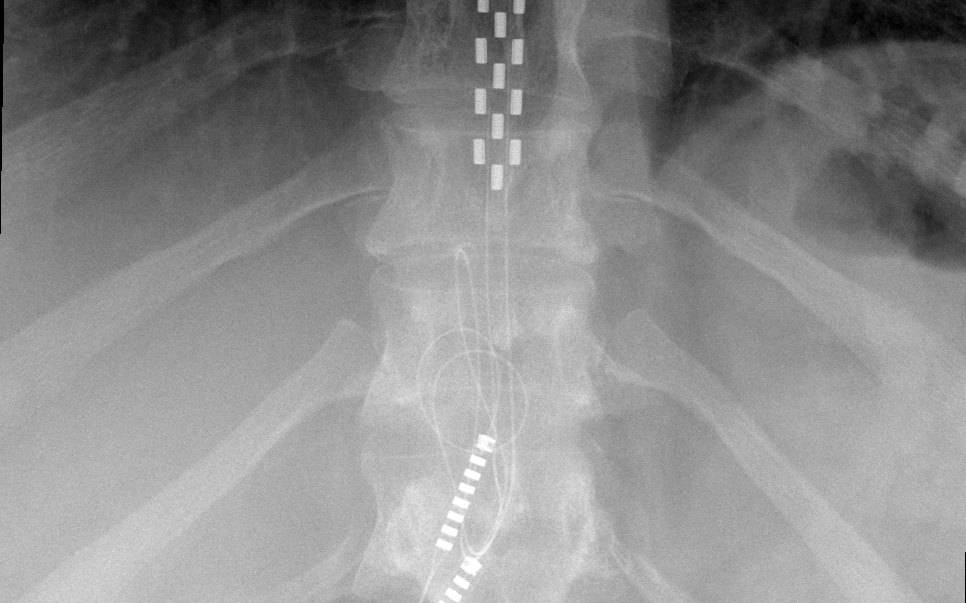
Spinal Cord Stimulation
Electrodes over the lower cord, switched on during training, have let some paralyzed volunteers stand and take steps.
- 04
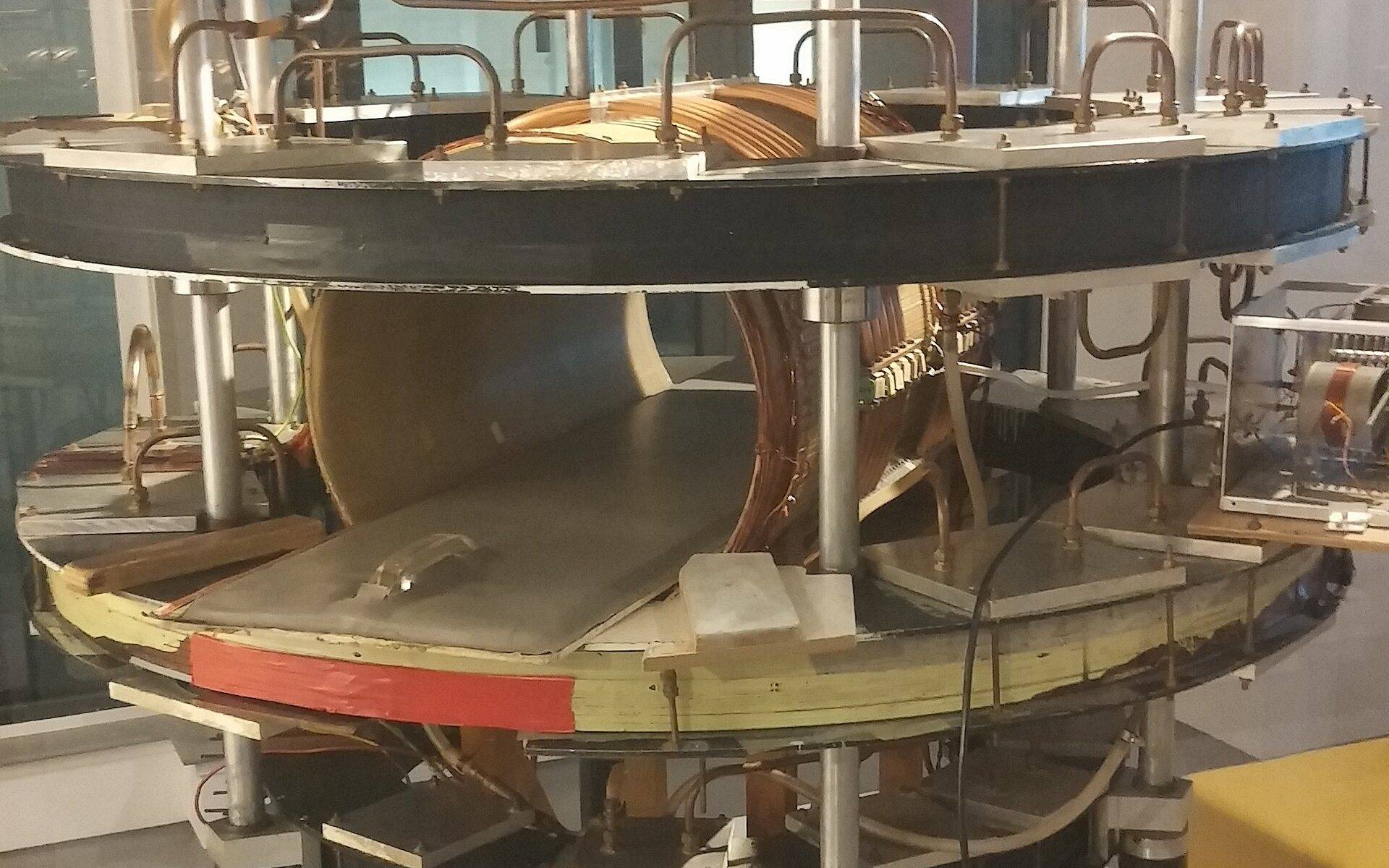
How MRI Was Invented
From a Brooklyn patent and a Stony Brook gradient to the hospital scanner and its faster future.
- 05
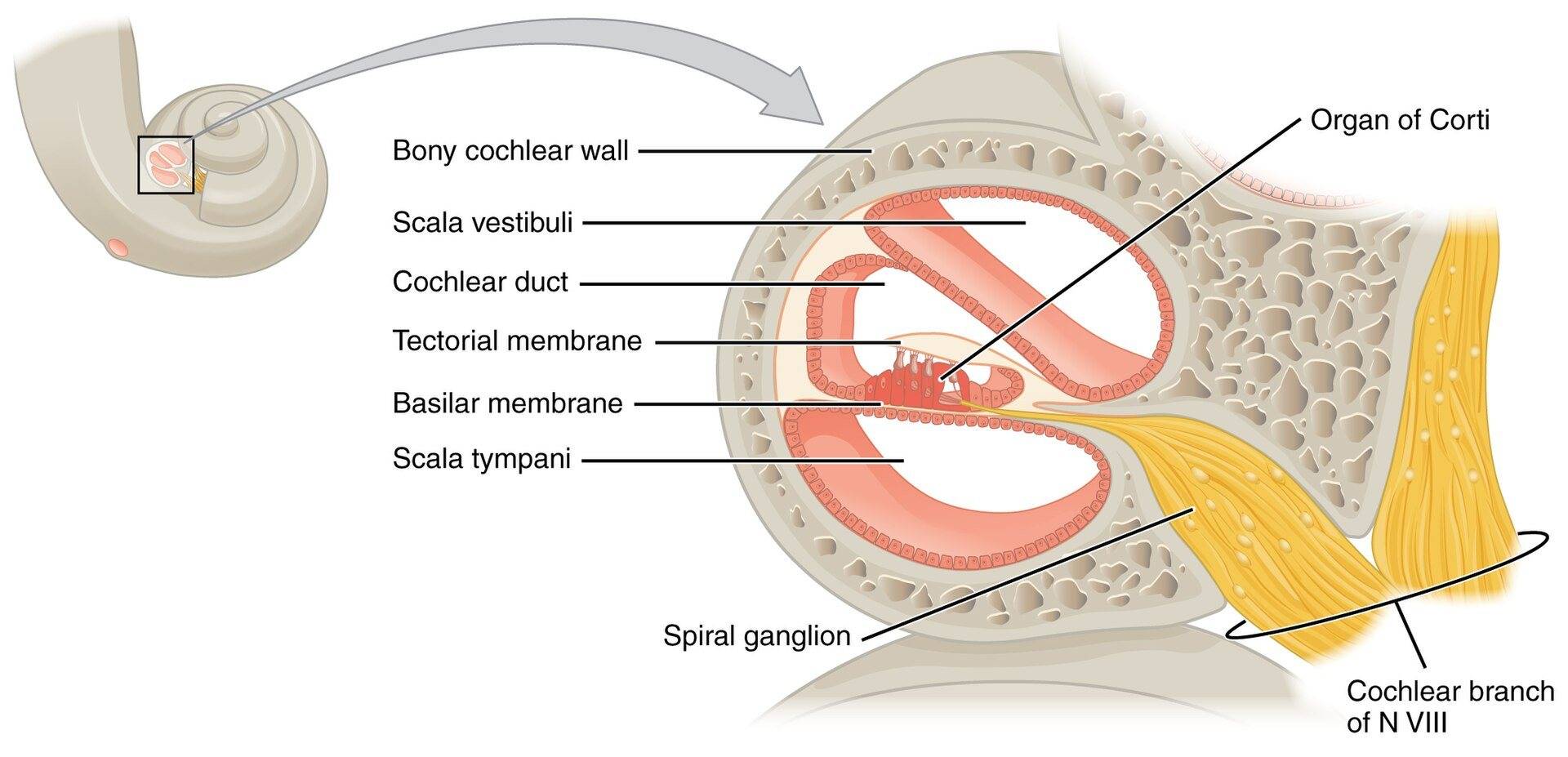
The Hearing Pathway
The chain of relays that carries a sound from the eardrum up to the cortex, and what is still unknown.
- 06

Ballona Creek and Wetlands
A wandering stream, a muddy racing pond and the salt marsh left beside the harbor.


Subjects of the encyclopedia
Ten subjects, from the operating microscope to the Santa Monica shore.
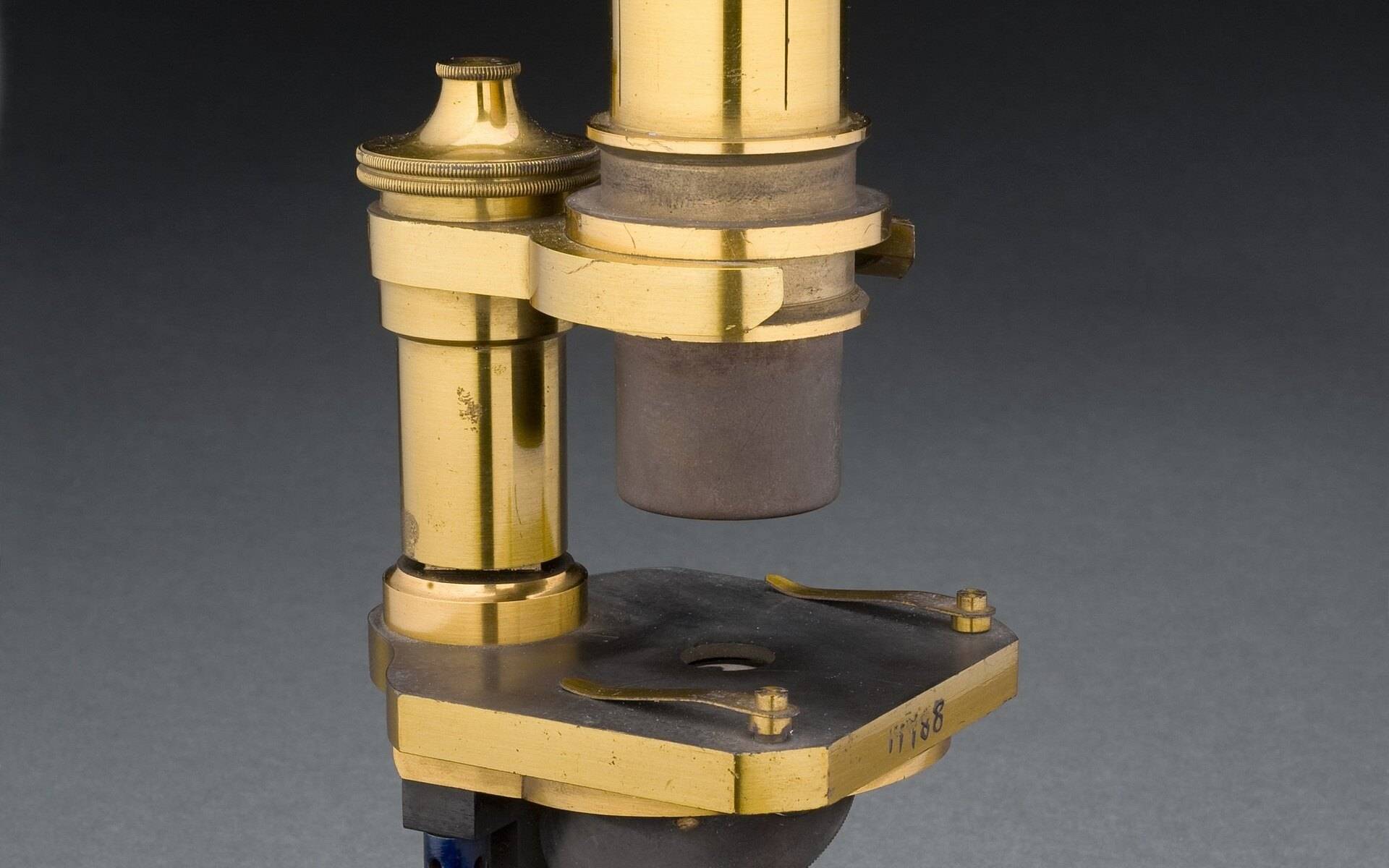
Seeing in Surgery
How surgeons learned to see small and deep: microscopes, loupes, endoscopes and camera pills
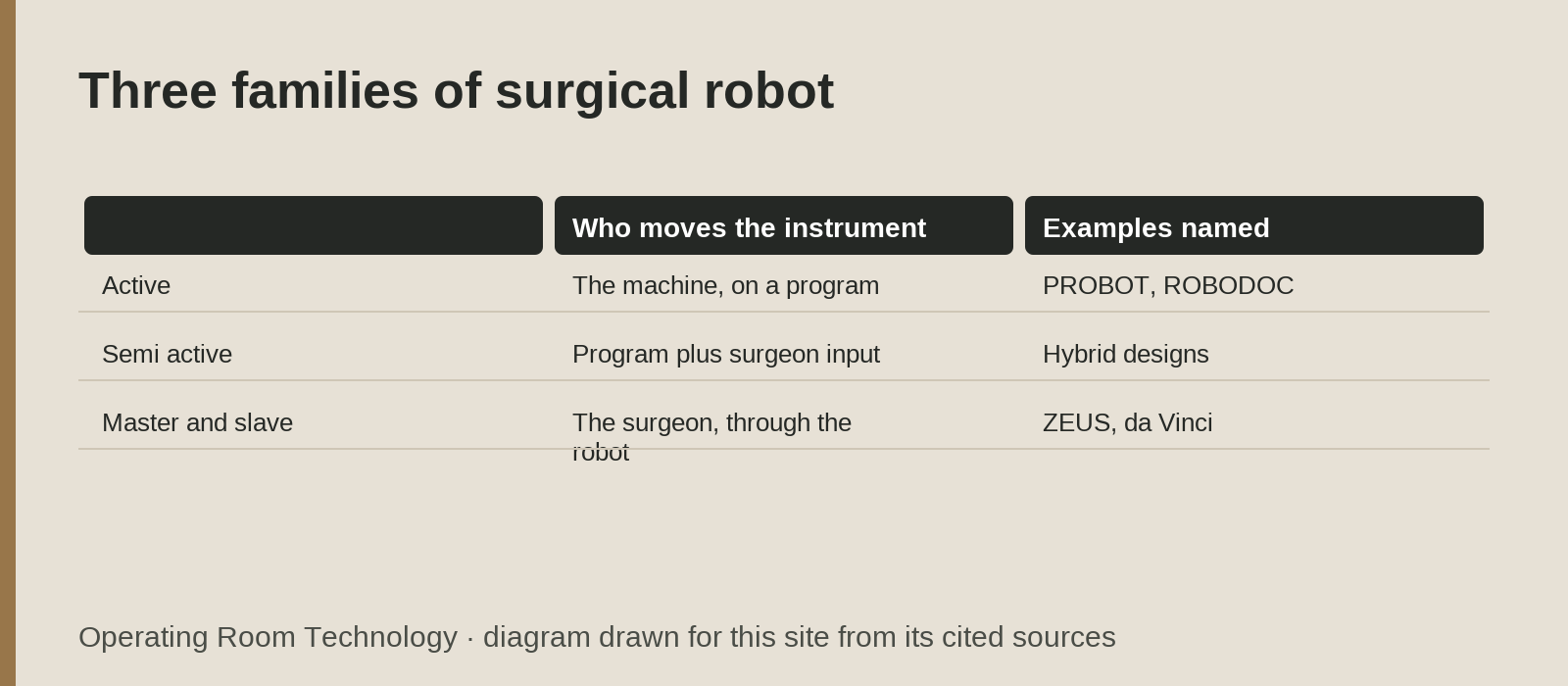
Operating Room Technology
X rays, navigation, robots and headsets in the modern operating room
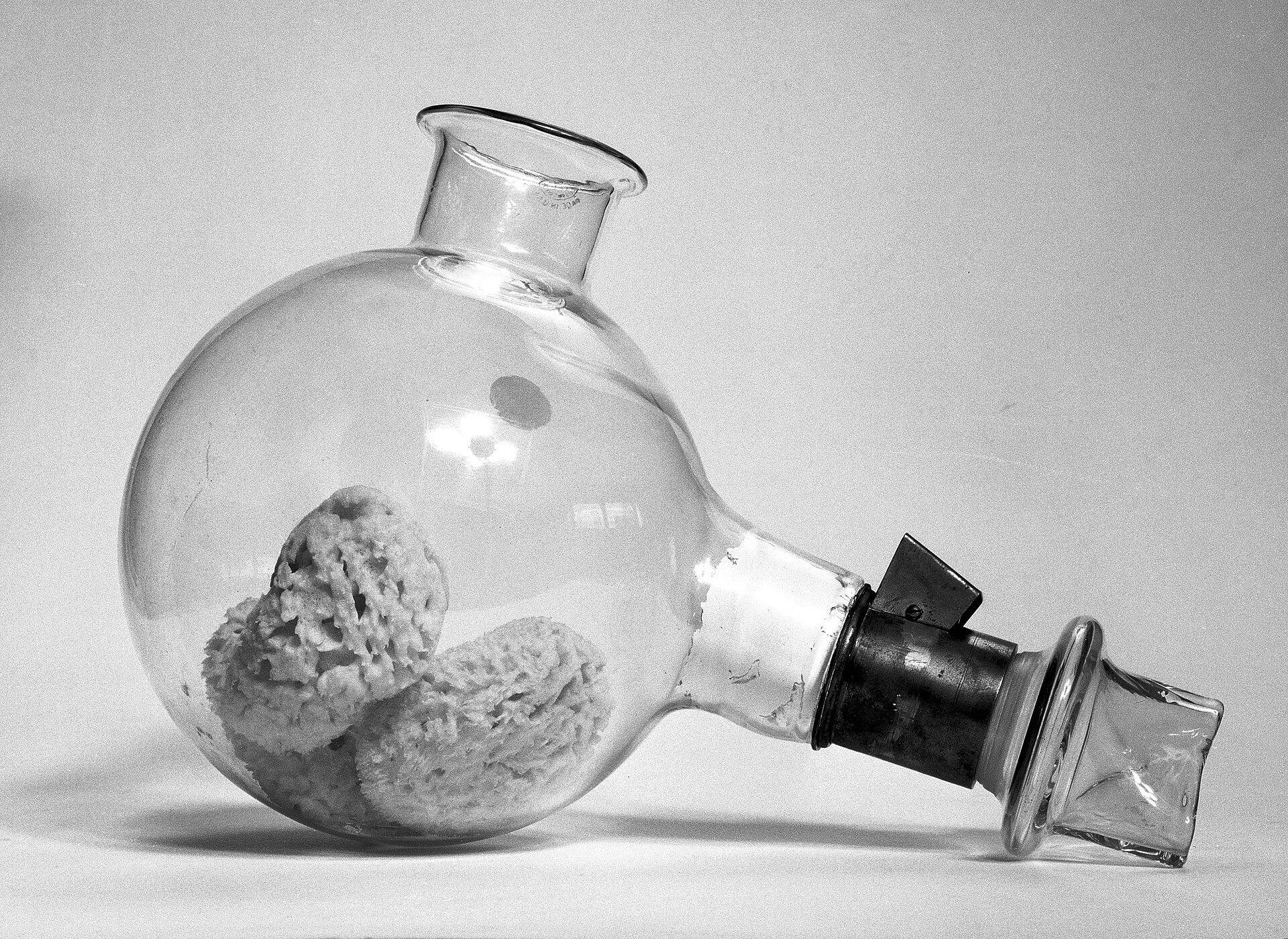
Anesthesia and Recovery
From the first public ether operation to rest and readiness around surgery today

The Neck
The anatomy, evolution and everyday strain of the neck
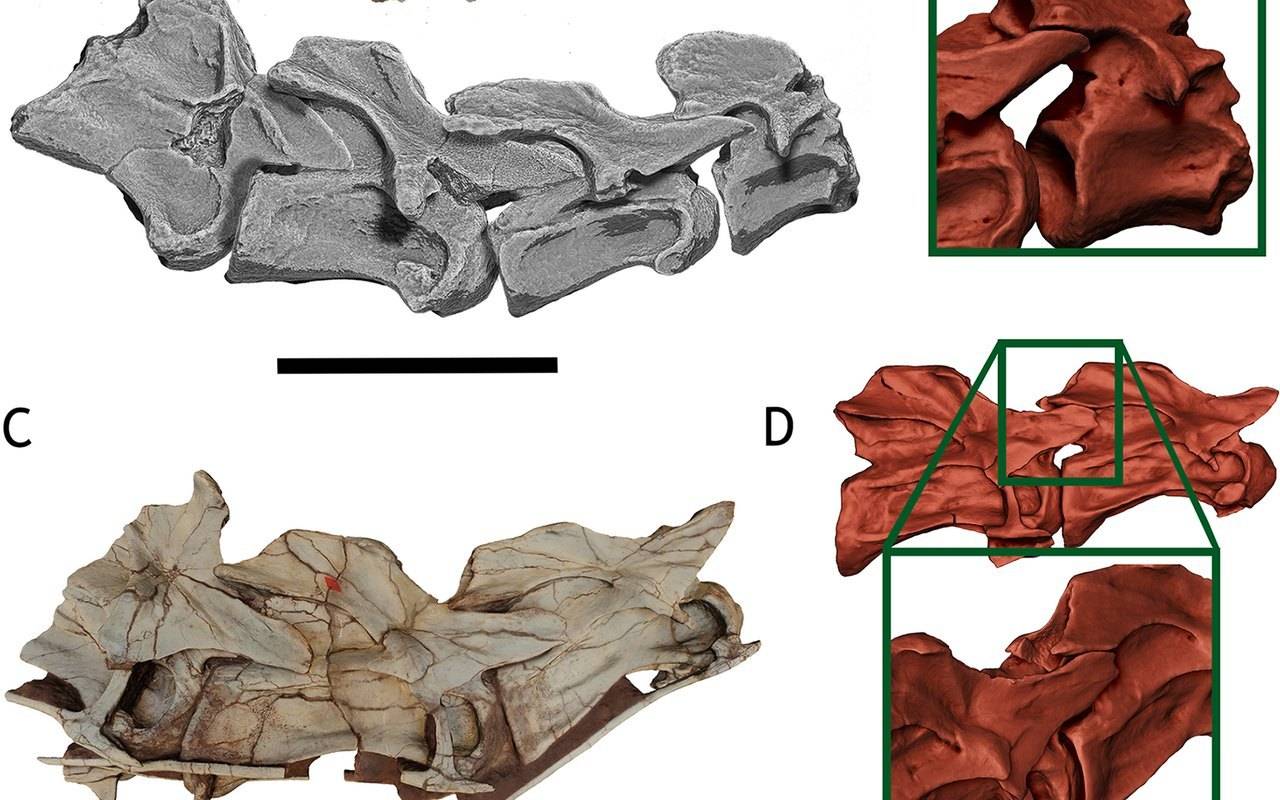
The Spine and the Disc
How the spine evolved, how discs change through a day, and how implants are tested
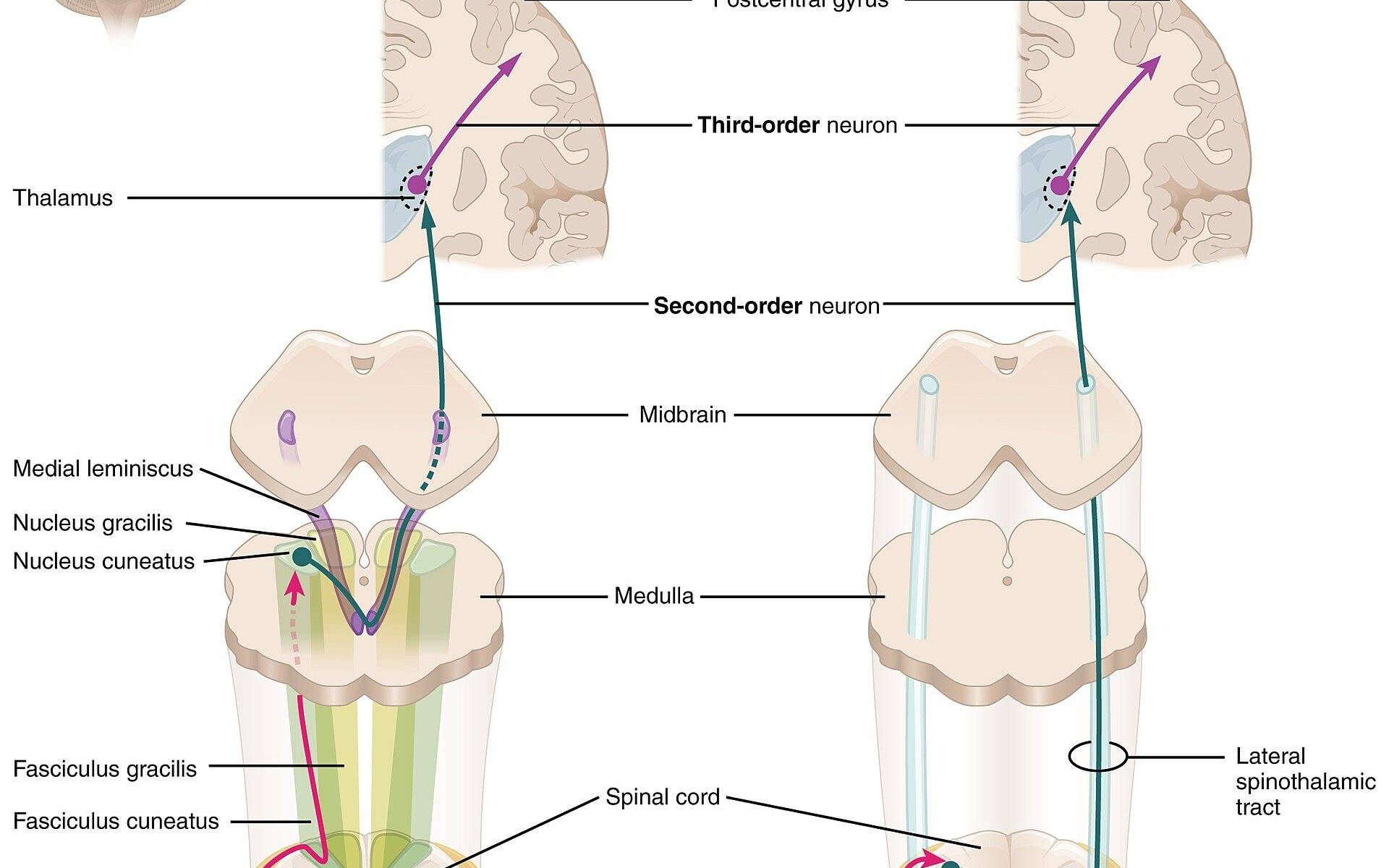
The Spinal Cord
Research on injury, stimulation, repair and rehabilitation of the cord
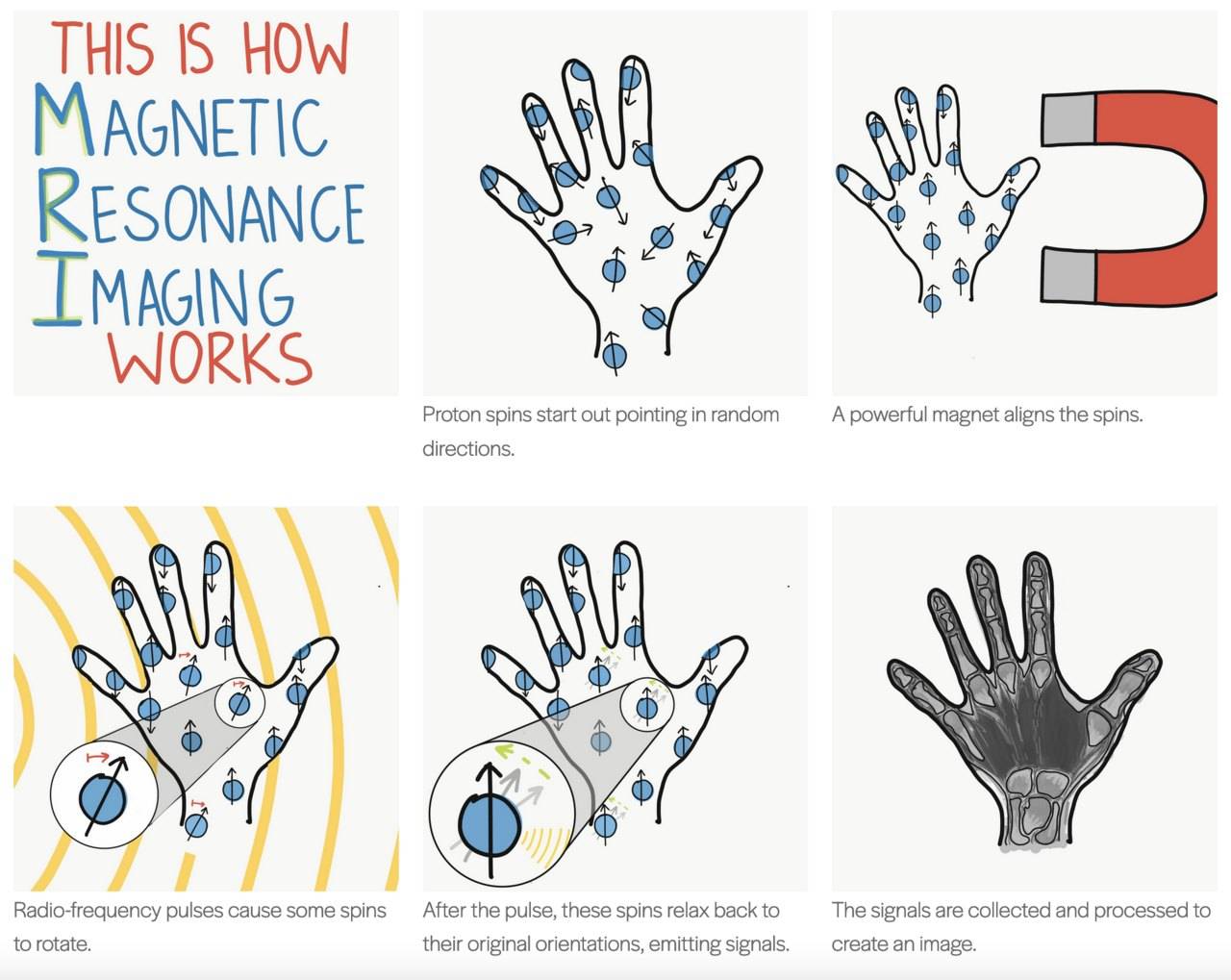
Scans and Decisions
How scans work, what reports say, and how patients weigh a big decision
Research and Training
How surgeons are trained and how medical evidence is built, from the hearing pathway to clinical trials
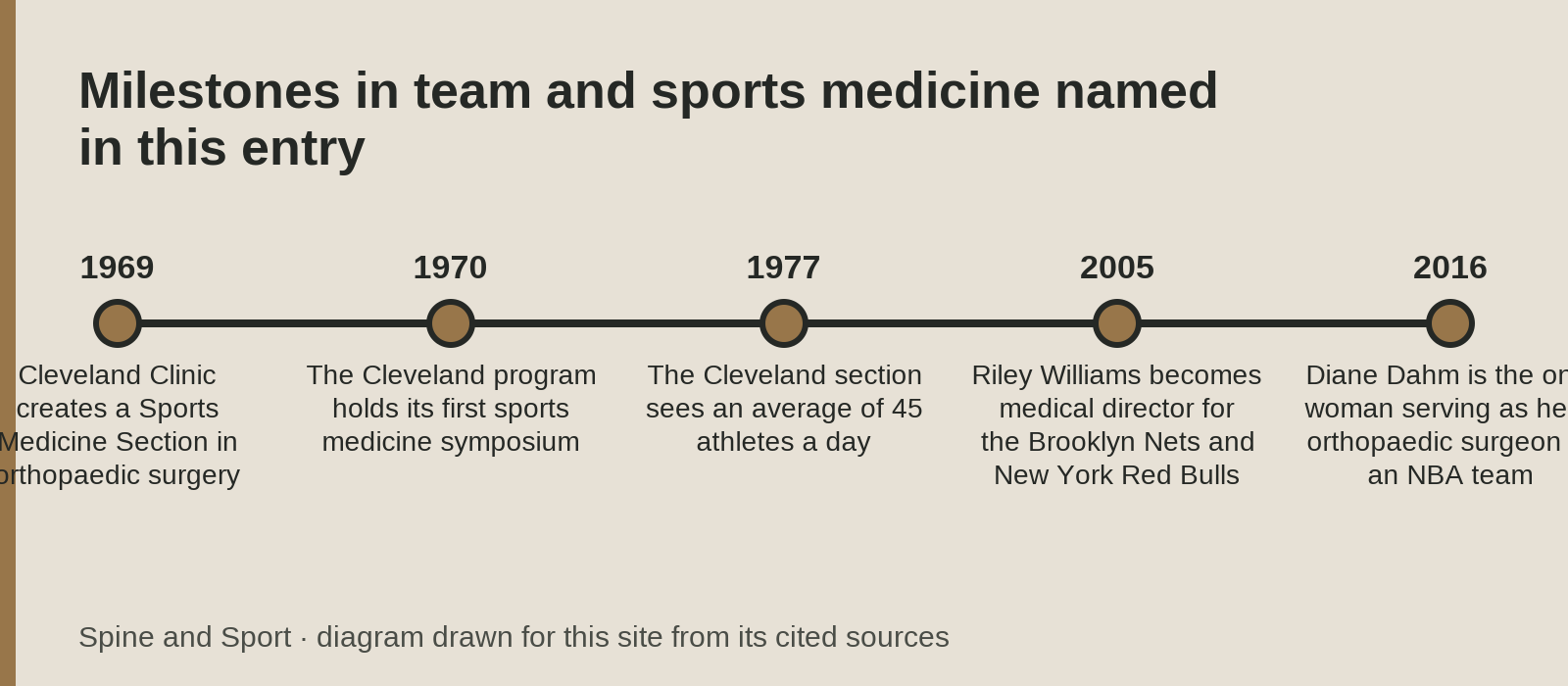
Spine and Sport
Team medicine, football rule changes, back injuries in athletes and the XFL
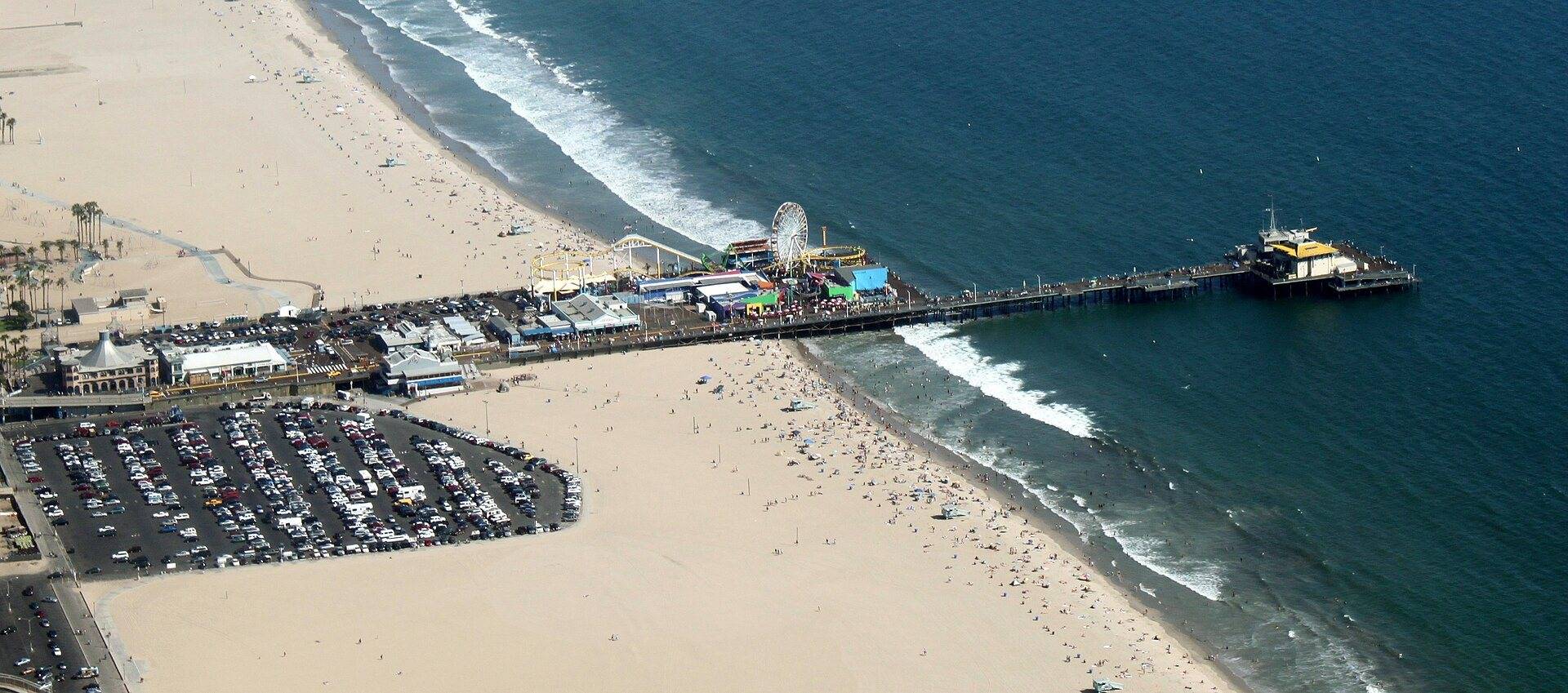
Santa Monica and Marina del Rey
The two coastal communities where he practices: the pier, the harbor and the wetlands between them


His published pieces
His latest pieces on Medium and Blogger, each summarized in its own entry.

