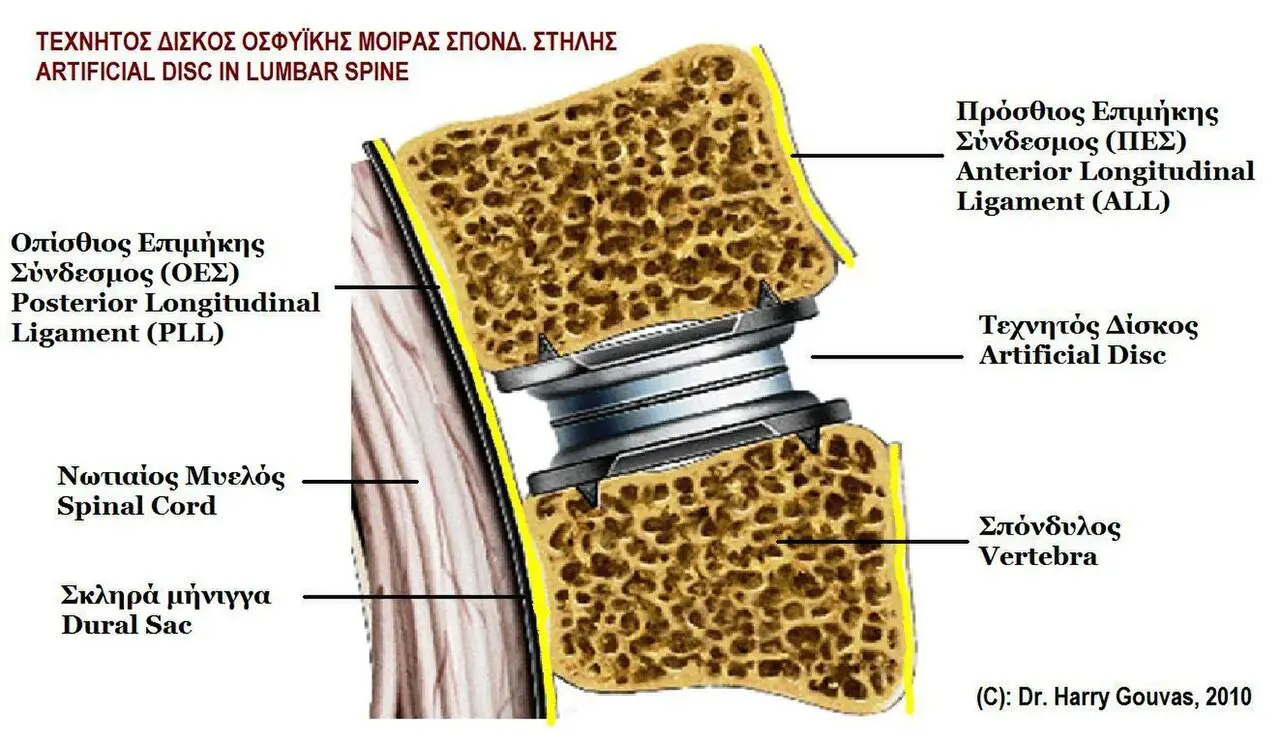
Sanjay Kumar Khurana, an orthopaedic spine surgeon in Marina del Rey and Santa Monica, replaces discs with artificial ones in the neck as well as the low back, within a specialty that emphasizes surgery designed to keep the spine moving. In the procedure a degenerated intervertebral disc is removed and an engineered joint goes into the space it leaves, so that the segment can still bend and turn.
Main article: Artificial disc surgery at khuranaspine.com
What the disc does and why it wears
Every intervertebral disc is bounded by a fibrous outer wall, the annulus fibrosus, which encloses a softer inner core. Researchers at the Spine Bioengineering Laboratory at Mount Sinai in New York, led by James Iatridis, describe disc degeneration as a combination of structural defects, mechanical instability and inflammation. Their programme report1 adds that a degenerating disc exchanges signals with neighbouring nerve tissue and with immune cells, an exchange that can sensitize those nerves. Because so many factors combine, physicians often struggle to identify where discogenic back pain begins and how best to approach it1.
The Mount Sinai group favours research into regenerative approaches, including cell based and gene based therapies and repair of the disc itself, while noting that such methods must first be proven safe and effective in human trials1. Replacing the disc with an engineered device is a different strategy, and it belongs to a long line of joint implants elsewhere in the body.
In the neck, the discs help carry the head. Writing on the region where skull meets spine, Gabrielle Russo and Christopher Kirk explain that a human head rests balanced over an upright trunk, whereas a great ape's head projects forward and must be held up by large neck muscles2. Their 2019 chapter2 shows how upright walking set the loading pattern that any cervical implant now meets. Dr. Khurana's essay on why the cervical approach starts at the front is summarized on this site, as is his piece on regaining the disc's height while keeping it mobile.
Materials that carry the motion
A replacement disc behaves like a small bearing, which puts its moving surfaces under scrutiny. Work on hip implants illustrates what materials scientists look for. A 2001 item in Technology Review3 described a Lyon team's composite of alumina and zirconia, ceramics already used for the ball of artificial hips; the blend resisted cracks spreading from scratches and defects and could take double the load that either ceramic managed by itself.
His account of the bearing surfaces inside an artificial disc is summarized in another entry, and a Medium essay on keeping a segment moving sets out why he thinks preserving movement repays the extra effort. The laboratory checks such devices pass before use are described in How Implants Are Tested.
Sources cited
- Helping to Write a New Chapter for Degenerative Disc Disease. Mount Sinai.
- The Study of the Human Spine and Its Evolution: State of the Art and Future Perspectives. Stony Brook University, 2019.
- Beyond Hip. MIT Technology Review, 2001.
Selected outlets
- Mount SinaiHelping to Write a New Chapter for Degenerative Disc Disease
- Stony Brook UniversityThe Study of the Human Spine and Its Evolution: State of the Art and Future Perspectives
- MIT Technology ReviewBeyond Hip
Nearby entries
- 01
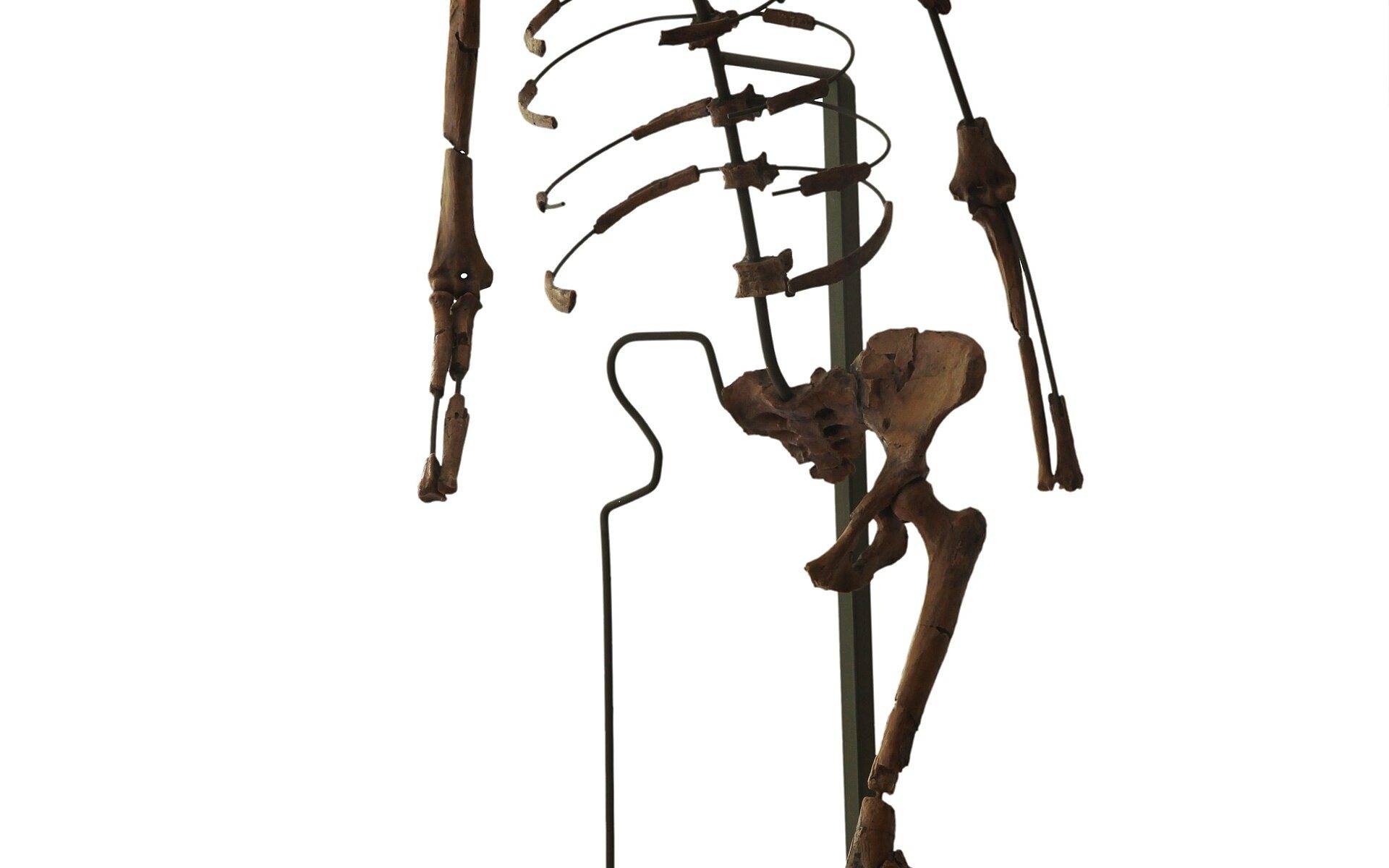
How the Human Spine Evolved
Fossils, chimpanzees and ancient scribes show how walking on two legs bent the backbone into curves.
- 02
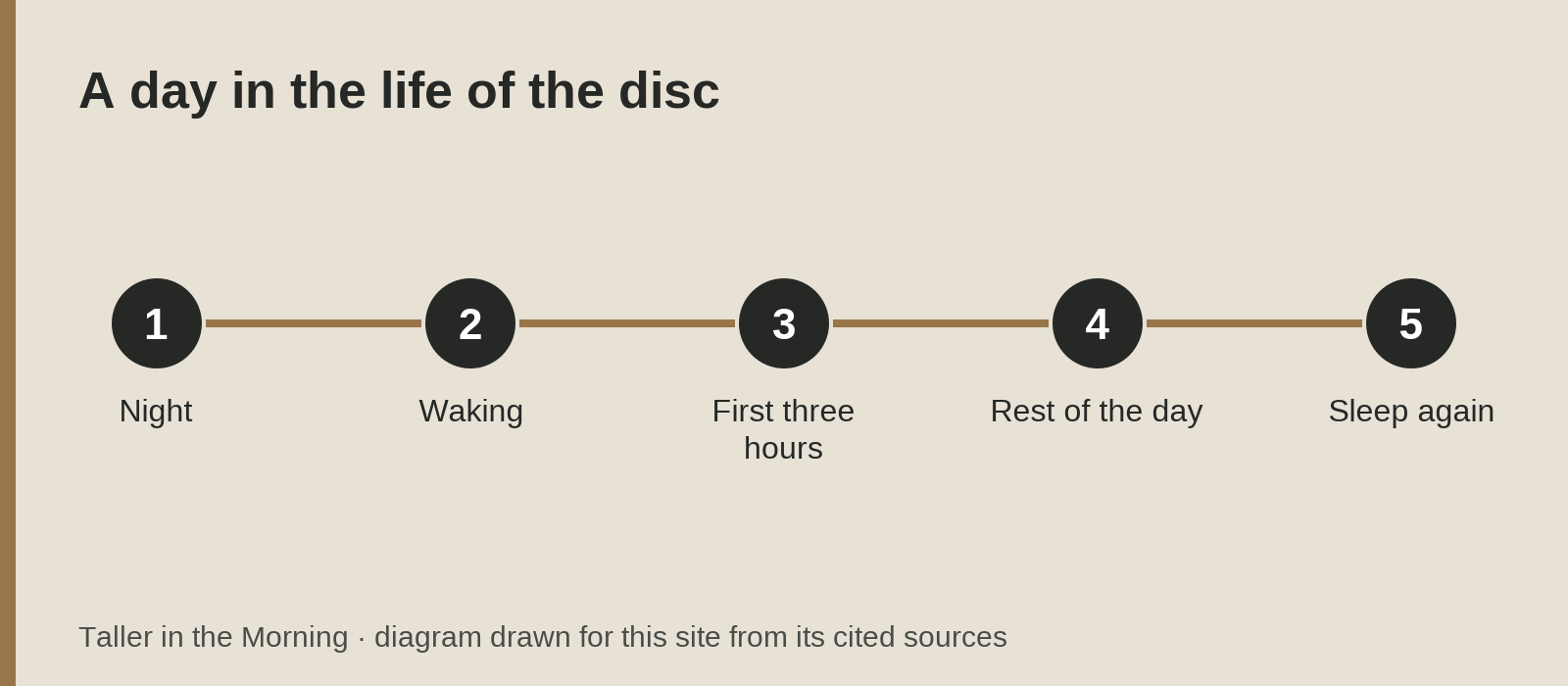
Taller in the Morning
Water moving in and out of spinal discs makes every person shrink a little between waking and bedtime.
- 03
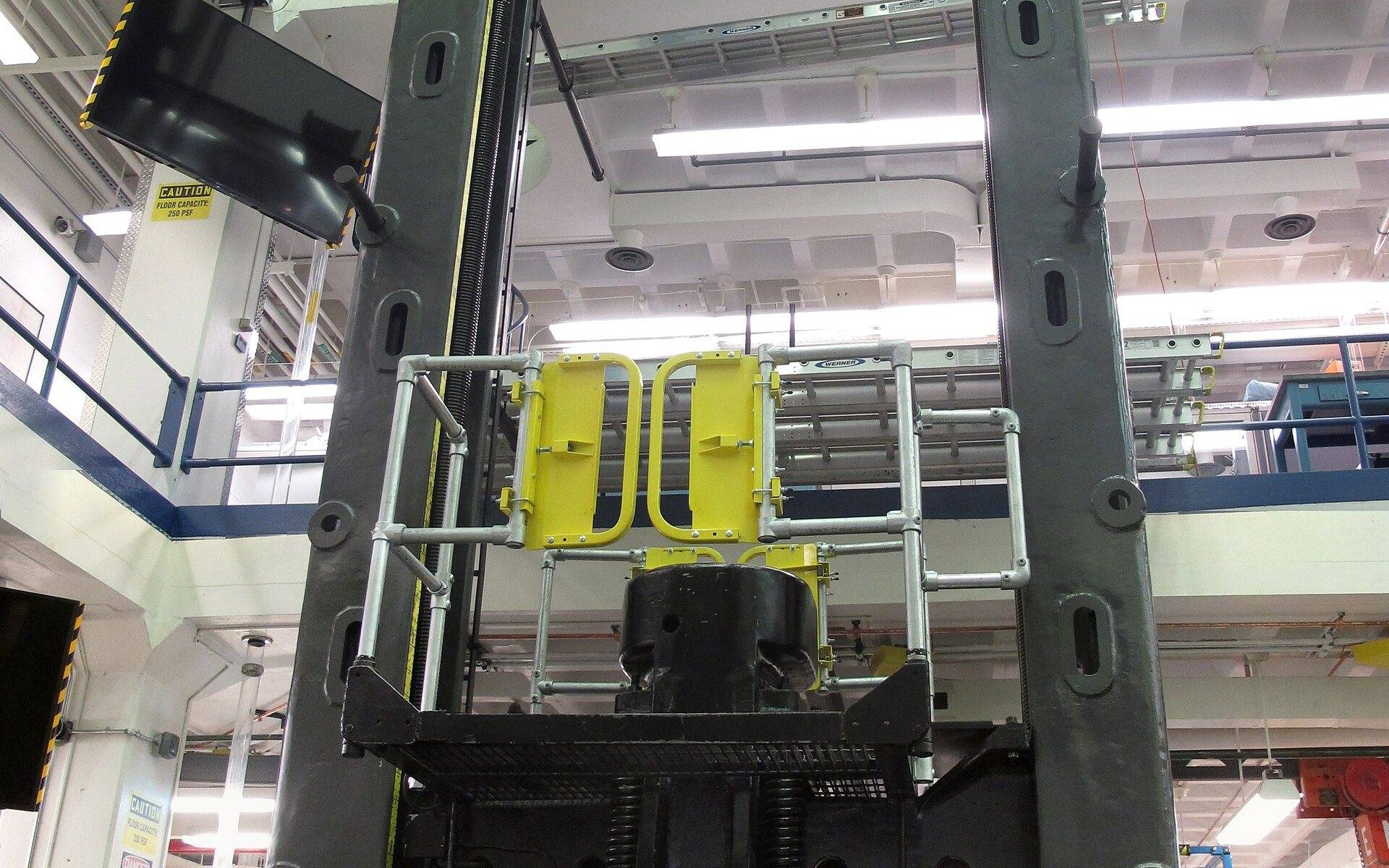
How Implants Are Tested
Simulators bend, twist and rub implants through millions of cycles before any of them reaches an operating room.


